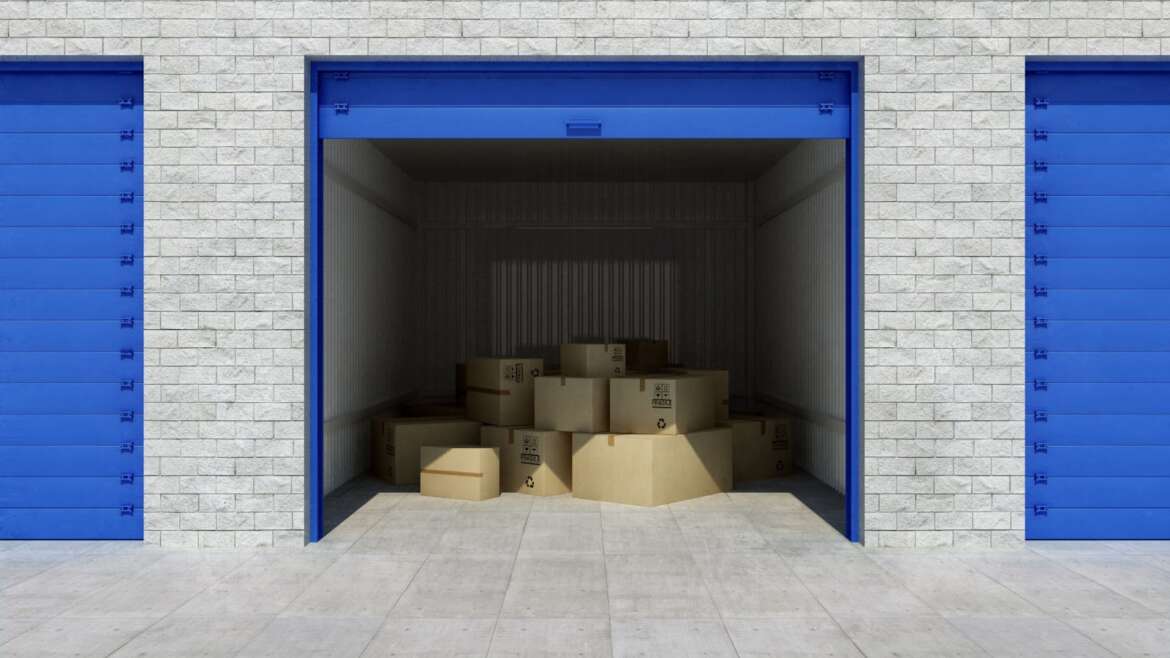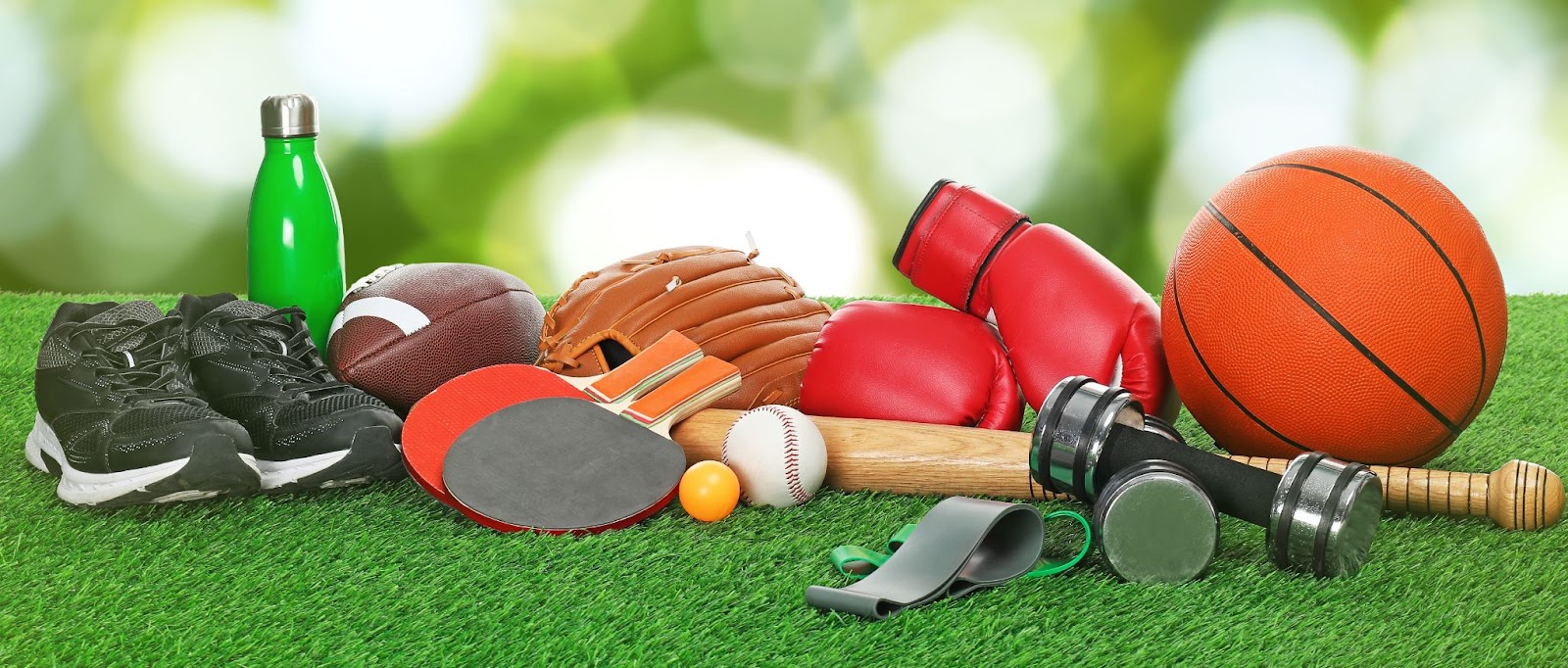
To safely store athletic equipment in self-storage, start by thoroughly cleaning everything and using climate-controlled storage units to prevent damage from heat or moisture. Choose a secure self-storage facility, use protective covers, and keep items off the floor. Organize gear with shelves, labeled bins, and vertical racks to make everything easy to find and keep it all in great shape.
Athletic gear comes with a price tag — whether it’s bikes, skis, yoga mats, or specialized training equipment, the costs all add up. But finding enough space at home to store it can be tough, especially if you’re dealing with seasonal sports gear or a growing fitness collection. This is where sports equipment storage ideas become important.
Without proper storage, moisture can cause rust, temperature fluctuations can cause materials to crack or warp, and poor organization can lead to broken or lost items.
In this guide, you’ll find expert-approved tips for storing your athletic equipment in self-storage — from using climate-controlled units to choosing secure storage features and setting up smart organization systems.
Whether you’re a weekend athlete or a dedicated competitor, these strategies will help you keep your gear protected, organized, and ready to use all year long.
What is athletic equipment storage?
Storage for athletic equipment means more than putting items away. It involves using climate-controlled environments, reliable security, and smart organization systems. These elements help protect your gear from humidity, temperature swings, pests, and unnecessary wear or damage.
Whether you’re storing equipment for off-season use or need a long-term solution, the goal is to keep your gear safe, organized, and ready when you are.
Sports equipment storage ideas matter because they protect your equipment from environmental elements, slowing down the deterioration process.
Your 7-step guide to storing athletic equipment safely
1. Choose a climate-controlled unit
Look for a facility that offers temperature and humidity control. This is especially important for athletic gear made with leather, rubber, or electronics. Climate control helps prevent warping, cracking, rust, and mold — keeping your equipment in top condition.
2. Clean and dry everything first
Before storing anything, make sure it’s clean and completely dry. Wash fabric items, wipe down hard surfaces, and remove any dirt or moisture. This reduces the risk of mildew, odors, and long-term wear and tear.
3. Disassemble large or bulky items
Break down bikes, remove wheels, and separate detachable parts from larger equipment. This helps maximize space, prevents pressure points, and reduces the likelihood of damage during storage.
4. Use covers and protective cases
Cover delicate gear with breathable fabric or store items in padded cases to protect them from damage. Use ski sleeves, bike bags, or racket covers to protect against dust, scratches, and accidental bumps during storage.
5. Organize with shelves and clear bins
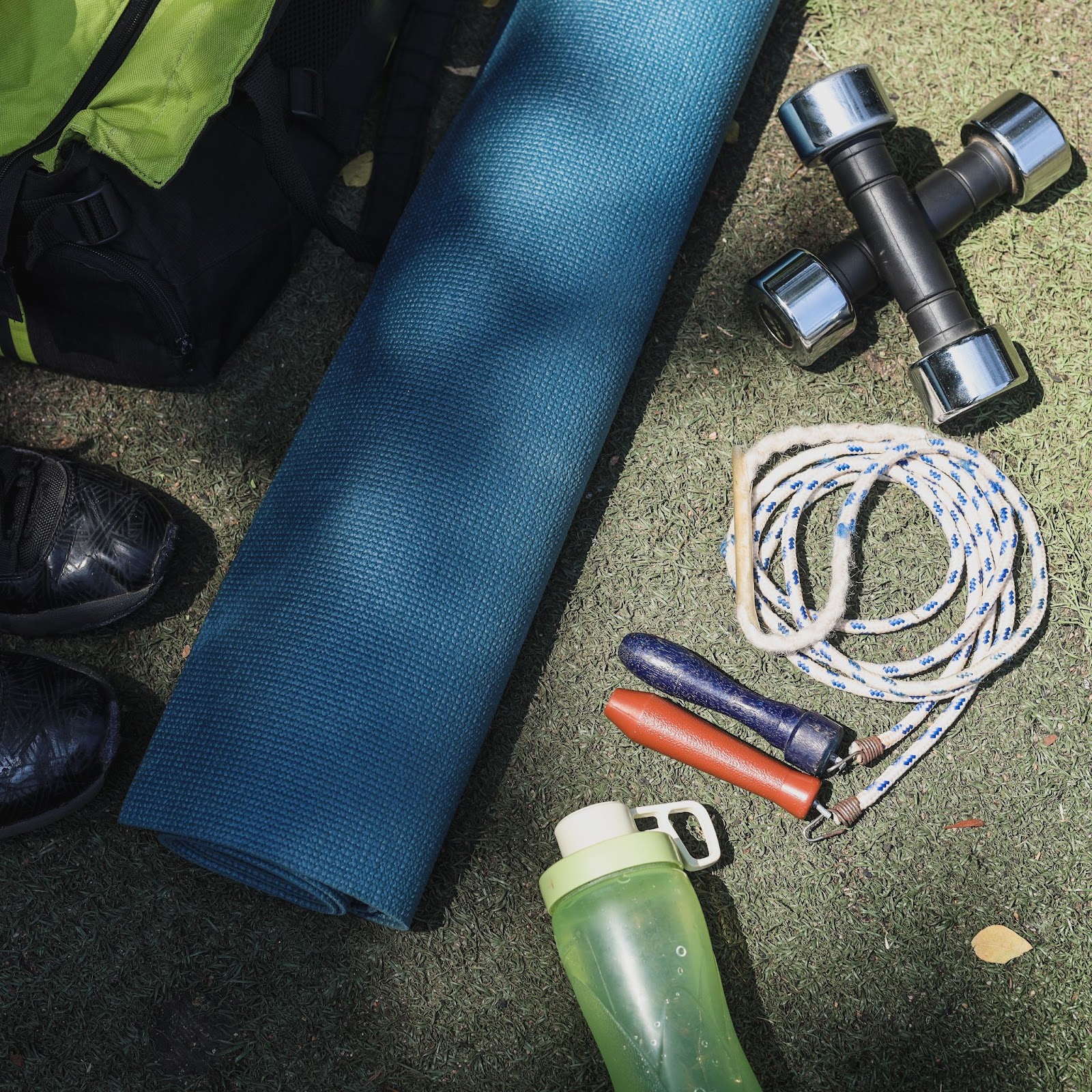
Install strong shelving to keep items off the floor and use clear plastic bins to store smaller gear. Label everything and consider keeping a simple inventory list so you always know what’s inside your unit.
6. Take advantage of vertical space
Store items like skis, snowboards, and bikes upright using racks or wall hooks. This keeps them safe from bending or warping and gives you more room to move around in your unit.
7. Choose a secure self-storage facility
Select a facility that offers features such as gated entry, surveillance cameras, individual unit alarms, and insurance options. Ensure the access hours align with your training or competition schedule.
Real-life storage examples
Triathlete in a small apartment
A competitive triathlete living in a compact apartment needed to safely store multiple bikes, wetsuits, and training gear during the off-season. They rented a climate-controlled storage unit, and they installed bike racks and shelving to keep everything organized and off the floor.
This setup protected sensitive equipment from temperature fluctuations and humidity, while also freeing up space at home. Their system made it easy to grab gear before races and kept everything in race-ready condition year-round.
Multi-sport family with seasonal gear
A busy family with kids in multiple sports — soccer, hockey, baseball, and skiing — used secure self-storage to rotate gear by season. They organized equipment into labeled, clear bins: summer gear during winter, and vice versa.
This smart setup kept their garage uncluttered and made it easier to find what they needed when sports seasons changed. It also prevented damage from improper storage, keeping everything in good condition from one season to the next.
Benefits of using self-storage for sports gear
- Protects expensive equipment investments from home humidity and temperature fluctuations
- Frees up valuable living space in homes, apartments, and garages
- Enables seasonal rotation of gear without home clutter
- Provides secure self-storage with professional security systems
- Maintains equipment readiness with proper climate and organization
- Reduces the risk of pest damage compared to outdoor sheds or unprotected spaces
- Offers flexible access for training schedules and competition prep
- Preserves resale value by keeping equipment in excellent condition
Common storage mistakes to avoid
- Storing dirty or wet equipment that develops mold and odors
- Using non-climate-controlled units for sensitive materials like leather or electronics
- Stacking heavy items on delicate gear causes permanent damage
- Failing to check equipment periodically for developing issues
- Storing inflated balls or pressurized items that can degrade over time
- Neglecting pest prevention in units with fabric or organic materials
- Forgetting to loosen tension on strings, cables, and elastic components
- Skipping inventory documentation
Recommended storage tools and products
- Heavy-duty shelving units (metal or resin for weight capacity)
- Wall-mounted bike hooks and racks for vertical storage
- Clear plastic storage bins with secure lids and labels
- Silica gel packets for moisture control in closed containers
- Breathable equipment covers (avoid plastic that traps moisture)
- Adjustable sports rack systems for multiple equipment types
- Climate monitoring devices to track temperature and humidity
- Heavy-duty locks for secure self-storage unit protection
- Equipment maintenance kit for periodic check-ups
FAQs
Q: Do I really need climate-controlled storage units for sports equipment?
You need climate control for leather, rubber, electronic components, or wooden components. It prevents cracking, warping, mold growth, and material degradation that occurs with temperature and humidity fluctuations.
Q: How often should I check on stored athletic equipment?
Visit your storage unit every two to three months to inspect for moisture, pest activity, or developing issues. Rotate seasonal gear and ensure climate control systems are functioning properly.
Q: Can I store inflated balls and pressurized equipment?
Slightly deflate balls and release tension on pressurized items before long-term storage to prevent material stress and degradation. Restore proper pressure before use.
Q: What’s the best way to organize multiple sports equipment types?
Utilize sports equipment storage ideas, such as zone organization, which involves grouping items by sport or season. Use clear, labeled bins for accessories, install vertical racks for larger items, and maintain a written inventory.
Q: How do I prevent rust on metal equipment?
Clean and dry thoroughly before storage. Apply protective coatings when appropriate. Utilize climate-controlled storage units to effectively manage humidity. As mentioned earlier, include moisture-absorbing packets in enclosed containers to prevent damage from moisture.
Q: Is secure self-storage better than garage storage?
Secure self-storage offers superior climate control, professional security systems, and protection from home-related risks, including flooding or pest infestations.
Store your sports gear the smart way with Bear River Storage
From skis and bikes to cleats and training gear, your athletic equipment deserves better than a cluttered garage or a damp basement. At Bear River Storage, we offer clean, secure self-storage units with climate control, wide access, and ample space to organize your belongings your way.
Whether you’re storing equipment for the off-season or looking for a long-term solution, we make it easy to keep your gear protected, organized, and ready for action. With flexible unit sizes, top-tier security features, and helpful staff, we’re proud to be a trusted choice for athletes and active families alike.
Ready to upgrade your sports storage game? Contact Bear River Storage today to find the perfect unit for all your athletic equipment — so it stays safe, accessible, and competition-ready year-round.