Climate-controlled self-storage uses temperature and humidity regulation to protect sensitive items from extreme heat, cold, or moisture. Non-climate-controlled storage offers a more affordable option for items that aren’t likely to be damaged by the weather or environment. Choosing between the two depends on what you’re storing and your local climate.
Whether you’re storing household goods after a move or keeping valuable gear safe year-round, finding the right secure self-storage unit matters. The biggest decision often comes down to climate-controlled versus non-climate-controlled storage.
Utah’s temperature swings — hot, dry summers and freezing winters — impact what’s best for your belongings. In this guide, you’ll learn how each option works, which items need climate protection, and which storage features will give you safe, secure self-storage in any season.
What’s the difference between the two?
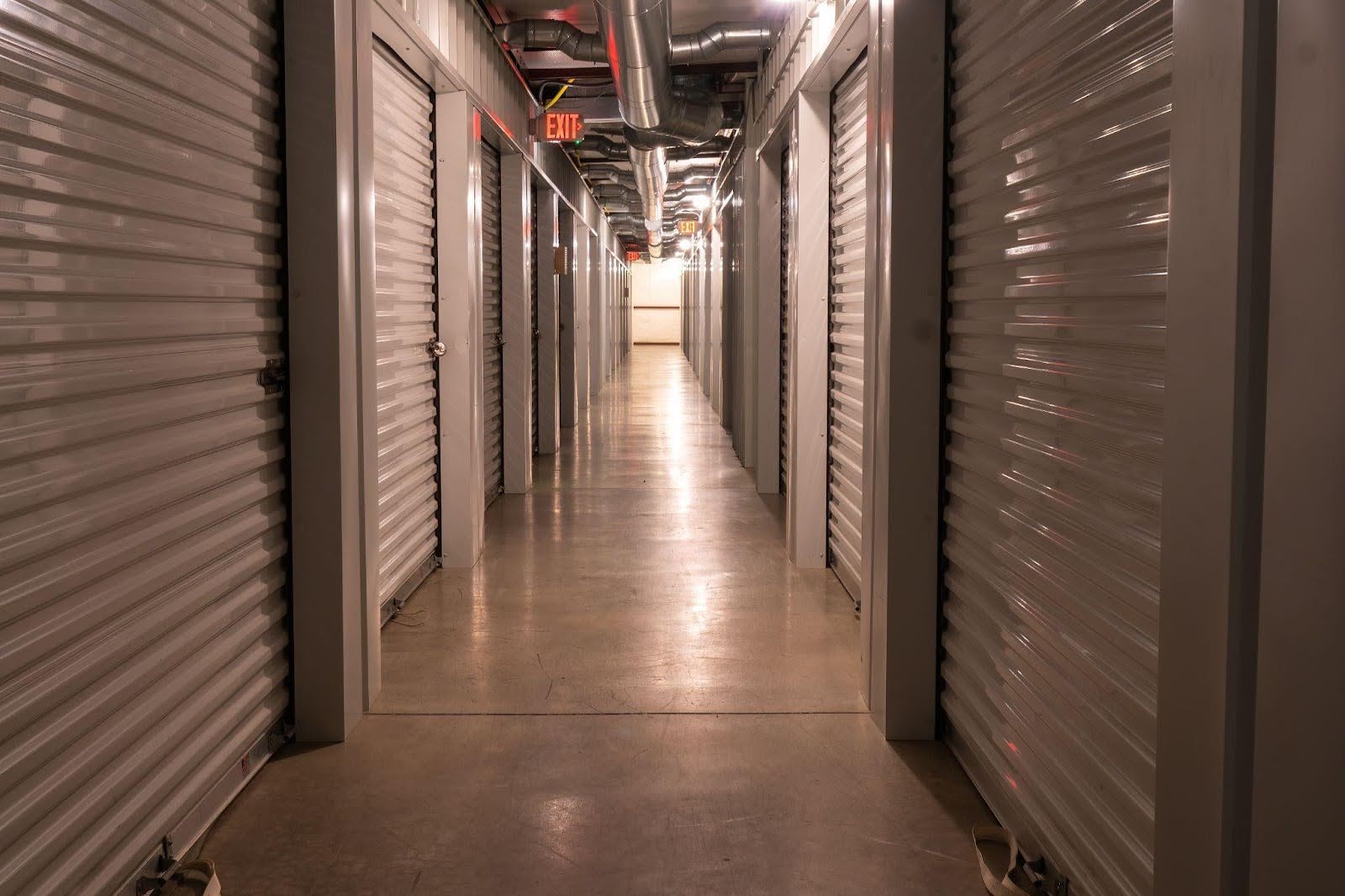
Climate-controlled self-storage units maintain a stable temperature — typically between 55°F and 80°F — and regulate humidity. This controlled environment prevents damage caused by freezing, heat, or moisture, making it ideal for delicate or high-value items.
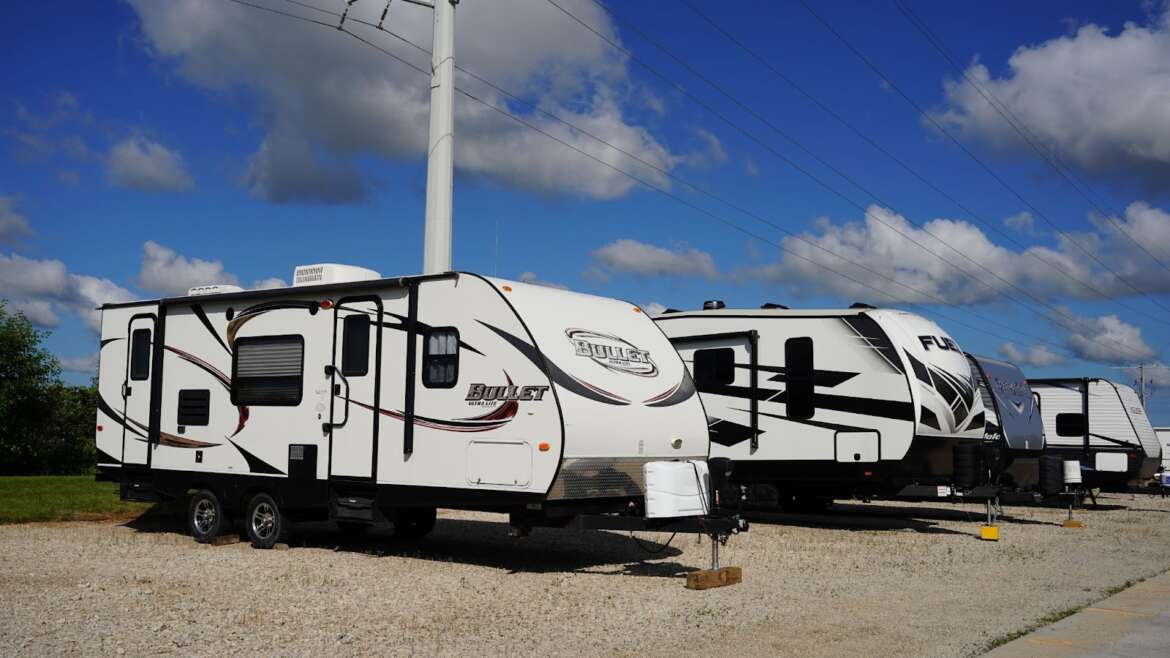
On the other hand, non-climate-controlled storage functions more like a traditional garage or an insulated shed. It provides secure self-storage at a lower cost but does not regulate temperature or humidity. For items that withstand varying conditions, it’s often the most budget-friendly choice.
How to choose step-by-step
1. List what you plan to store
Write down everything you’re storing — from wood furniture to electronics. Pay attention to materials that warp, rust, or mold.
2. Check local climate conditions
Utah’s climate varies by region. Northern Utah experiences cold, snowy winters and hot summers, making climate-controlled self-storage more valuable for long-term protection.
3. Consider storage duration
Short-term storage (under three months) may be fine in non-climate-controlled storage if items are well-packed. Longer stays are safer in temperature-controlled units.
4. Estimate your budget
Climate-controlled units cost more per month but reduce the risk of moisture or temperature damage — potentially saving you repair or replacement costs later.
5. Evaluate facility security
Regardless of type, look for secure self-storage with gated access, surveillance cameras, and quality locks. Protection from theft is as vital as climate control.
Real-life storage scenarios
Home renovation storage
A Cache Valley resident storing furniture during a remodel chose climate-controlled self-storage to prevent warping and discoloration while construction dust circulated at home.
Seasonal outdoor gear
For snowboards, skis, and camping gear used only part of the year, non-climate-controlled storage works well — as long as you clean and properly cover the gear.
Business document storage
A small business in Brigham City keeps tax files and contracts in secure, climate-controlled self-storage to prevent paper deterioration over time.
College student storage
Utah State students often use non-climate-controlled storage for dorm furniture during summer break. It’s affordable, easy to access, and perfectly fine for short-term storage.
Key benefits of climate-controlled units
Prevents moisture damage
Humidity is one of the biggest threats to stored belongings. Without climate protection, moisture seeps into boxes, fabrics, or electronics — leading to mold, mildew, and rust. Climate-controlled self-storage maintains steady humidity levels, reducing moisture buildup and preserving the condition of your valuables over time.
Protects against temperature extremes
Utah’s weather is unpredictable — scorching in summer and freezing in winter. These temperature swings cause materials to expand, contract, or crack. By maintaining consistent indoor conditions, climate-controlled storage prevents that damage.
Ideal for sensitive items
Not everything handles a garage environment. Electronics, leather furniture, wooden instruments, artwork, and photographs are especially vulnerable to heat and humidity. Climate-controlled self-storage creates a stable environment that helps prevent warping, fading, and electrical issues.
Improves air quality
Because climate-controlled units are sealed and ventilated, they continually circulate filtered air. This helps prevent dust buildup, musty odors, and airborne contaminants from settling on your possessions. Clean air circulation also benefits items like fabrics, paper products, and electronics that absorb smells or particulates from stagnant air.
Increases peace of mind
With climate control, you don’t have to worry about seasonal shifts affecting your storage. Your belongings stay secure, clean, and protected whether it’s the middle of summer or a freezing January night. For anyone storing sentimental items or long-term collections, this consistent protection offers lasting confidence and peace of mind.
Common storage mistakes to avoid
Choosing by price only
It’s tempting to pick the cheapest storage unit, but the lowest rate doesn’t always mean the best value. If humidity, temperature changes, or lack of ventilation damage your belongings, the savings disappear quickly. Consider the facility’s quality and features, such as climate control, security, and maintenance, before deciding.
Skipping climate control for delicate items
Items such as photos, electronics, antiques, and musical instruments require constant temperature and humidity levels. Storing them in non-climate-controlled storage may cause irreversible damage. When in doubt, opt for a climate-controlled unit.
Poor packaging
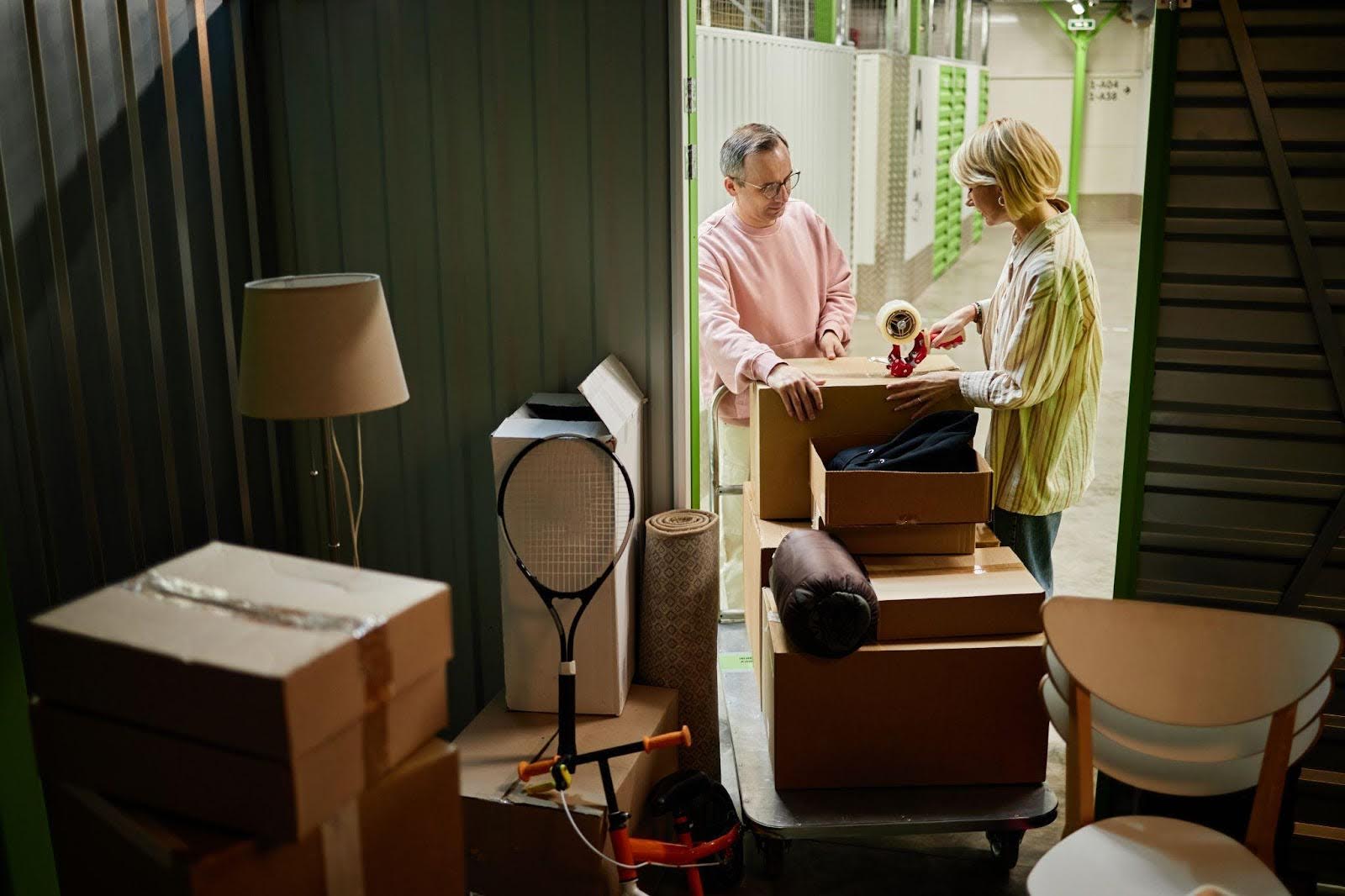
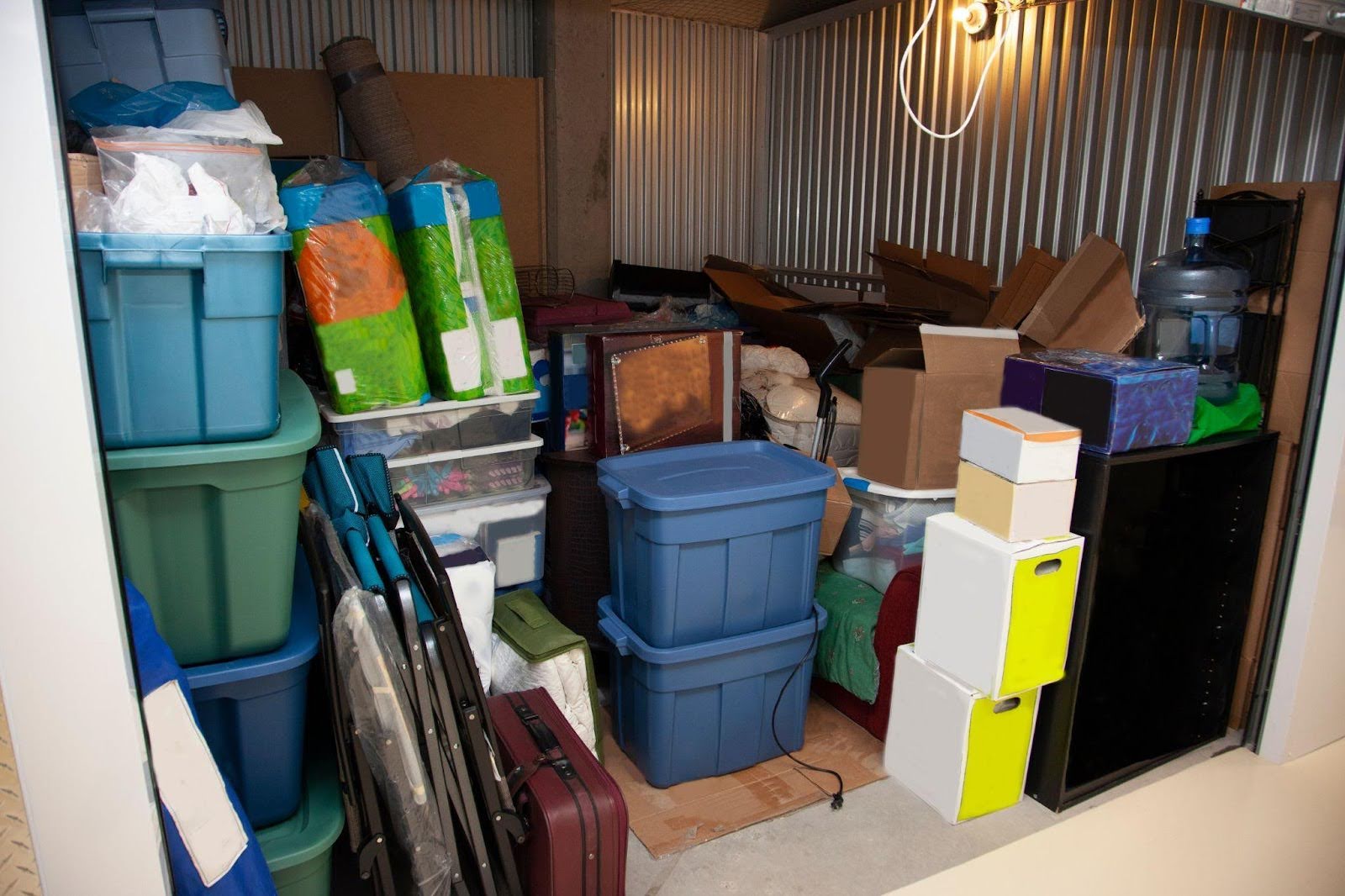
Even inside secure self-storage, packing matters. Cardboard boxes absorb moisture and attract pests. Instead, use durable plastic bins with tight-fitting lids, wrap delicate items in protective materials, and elevate boxes off the floor using pallets or shelving. Proper packing helps prevent damage before it starts.
Neglecting insurance
Accidents and natural events happen everywhere. While secure self-storage reduces risks of theft or loss, insurance provides an extra layer of protection. Ask your storage provider about available coverage or check if your homeowner’s policy extends to stored items.
Not labeling or organizing
Unlabeled boxes and cluttered layouts make it hard to find what you need — and may cause accidental breakage when digging through stacks. Label each container clearly and group similar items together. Using shelves or bins not only saves space but also keeps items accessible and damage-free.
Data and storage industry insights
- There are over 52,000 self-storage facilities
- 2.1 billion square feet of storage space is available for individuals with storage needs
- Over 40% of U.S. storage renters choose climate-controlled self-storage for at least some items
Recommended storage tools and tips
Plastic storage bins
Plastic bins offer durable, stackable protection that shields your items from moisture, dust, and pests. Unlike cardboard boxes, they won’t absorb humidity or collapse over time. Choose clear bins so you can easily identify contents without opening everything, and make sure each lid seals tightly to keep belongings clean and dry.
Pallets or shelving
Keeping items off the floor adds an important layer of defense. Wood or plastic pallets, or even simple shelving units, promote airflow and help prevent damage from condensation, leaks, or accidental spills. Shelves also make it easier to organize your unit efficiently, so you can access frequently used items without having to rearrange everything.
Covers or wraps
Furniture, mattresses, and upholstered items benefit from breathable covers such as fabric or canvas wraps. These protect surfaces from dust and scratches without trapping moisture, which leads to mold. Avoid plastic coverings for long-term storage — they lock in humidity and cause materials to sweat or stick over time.
Labeling system
A strong labeling system is key to keeping your stored items accessible. Use waterproof markers and label bins or boxes on multiple sides so they’re readable from any angle. For larger units, create a simple inventory map showing where different items and categories are stored. This small step saves time and reduces the risk of accidental damage.
Smart locks or cameras
For added peace of mind, modern smart locks and small security cameras integrate seamlessly with many secure self-storage units. Bluetooth or Wi-Fi-enabled locks let you control access remotely, while motion-sensor cameras alert you to unusual activity. These tools complement the facility’s built-in security systems and add an extra layer of convenience.
Dehumidifiers or moisture absorbers
If you’re using non-climate-controlled storage, portable dehumidifiers or moisture-absorbing packets, they help protect against humidity.
Products like silica gel packs or hanging moisture traps pull excess moisture from the air, helping prevent rust, mildew, and musty odors. They’re inexpensive, easy to replace, and make a big difference during Utah’s humid or rainy seasons.
FAQs
Q: What items require climate-controlled self-storage?
You should always store items such as wood furniture, electronics, photos, artwork, vinyl records, and documents in a climate-controlled environment. Sensitive materials warp, fade, or mildew when temperatures fluctuate.
Q: What can you safely keep in non-climate-controlled storage?
Sturdy items such as plastic outdoor furniture, metal tools, sports gear, and yard equipment typically do fine in non-climate-controlled storage when appropriately packed.
Q: Is climate-controlled self-storage worth the extra cost?
Yes, if you’re storing long-term or have valuable, temperature-sensitive items. It minimizes the risk of damage from Utah’s changing weather.
Q: How secure are self-storage units?
A high-quality, secure self-storage facility offers gated access, camera surveillance, and controlled access. Always tour the property and check security features before renting.
How Utah’s weather affects climate-controlled storage
Utah’s dramatic temperature shifts put unique stress on stored items. In Cache Valley, Logan, and surrounding areas, humidity and snowmelt create moisture issues, while heat waves warp sensitive materials.
For long-term storage, climate-controlled self-storage offers reliable protection, especially for residents storing furniture, electronics, or business archives. Meanwhile, non-climate-controlled storage remains an excellent short-term, budget-friendly choice for tools, seasonal equipment, or outdoor gear.
Get your storage unit at Bear River Storage
The choice between climate-controlled self-storage and non-climate-controlled storage depends on your items, duration, and Utah’s seasonal extremes. If your belongings are sensitive to heat, cold, or moisture, climate control offers the safest protection — and added peace of mind. For durable goods or short-term use, a well-secured, affordable non-climate option works beautifully.
Ready to find the right fit? Explore Bear River Storage’s storage options today to compare unit types, pricing, and features. Protect your belongings with storage that’s as dependable as it is convenien