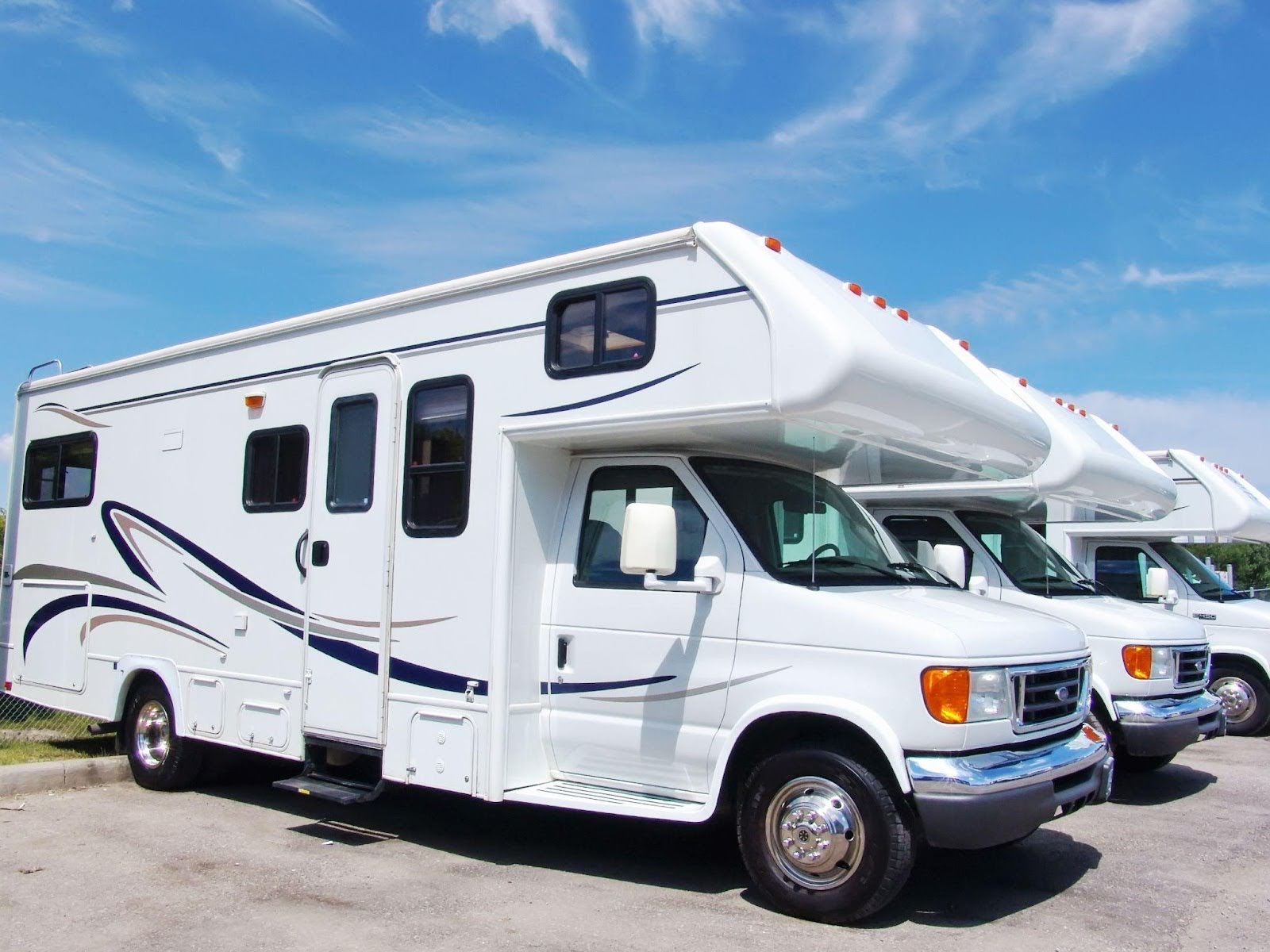
Preparing your RV for long-term parking means performing essential maintenance, securing your vehicle, and storing it in a safe, weather-protected location. From battery care and tire protection to lock upgrades and covers, these steps keep your RV in top shape while it’s in storage and ready for your next adventure.
When the travel season winds down, and your motorhome, fifth wheel, or trailer isn’t seeing as many miles, it’s tempting to simply park it and walk away. But long-term RV parking isn’t as simple as choosing a spot and turning off the ignition.
Without proper preparation, months of sitting still can lead to dead batteries, flat-spotted tires, roof leaks, pest infestations, and even security issues. A little planning now goes a long way toward avoiding expensive repairs later.
Whether you’re storing your rig for the winter, taking a break from the road, or waiting out Utah’s harshest weather, a solid plan for long-term parking for RV owners makes all the difference. The best RV parking setup combines smart maintenance habits with a secure location that protects your RV inside and out.
In this guide, you’ll learn how to get your RV parking storage right from day one — including step-by-step maintenance, proven security tips, and practical ways to keep your RV protected, organized, and ready for your next adventure.
What is long-term RV parking?
Long-term RV parking refers to keeping your RV in one place for weeks or months — usually during off-seasons, winter breaks, or long stretches between trips. The main goal is to protect your vehicle’s systems, exterior, and interior from weather damage, pests, and security risks.
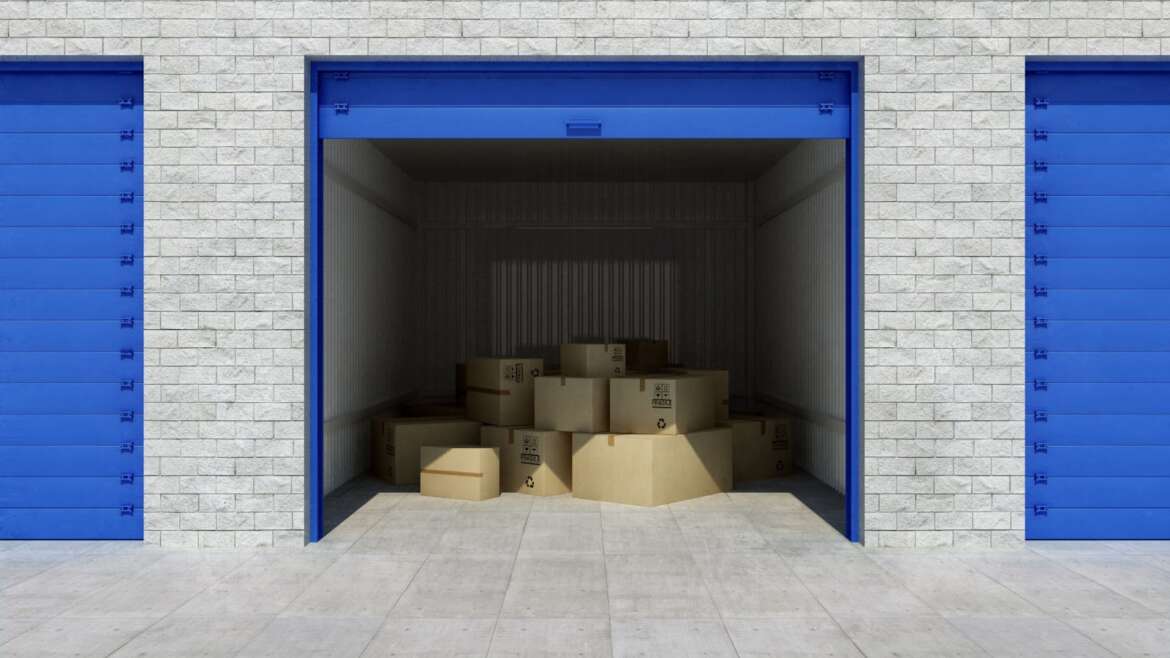
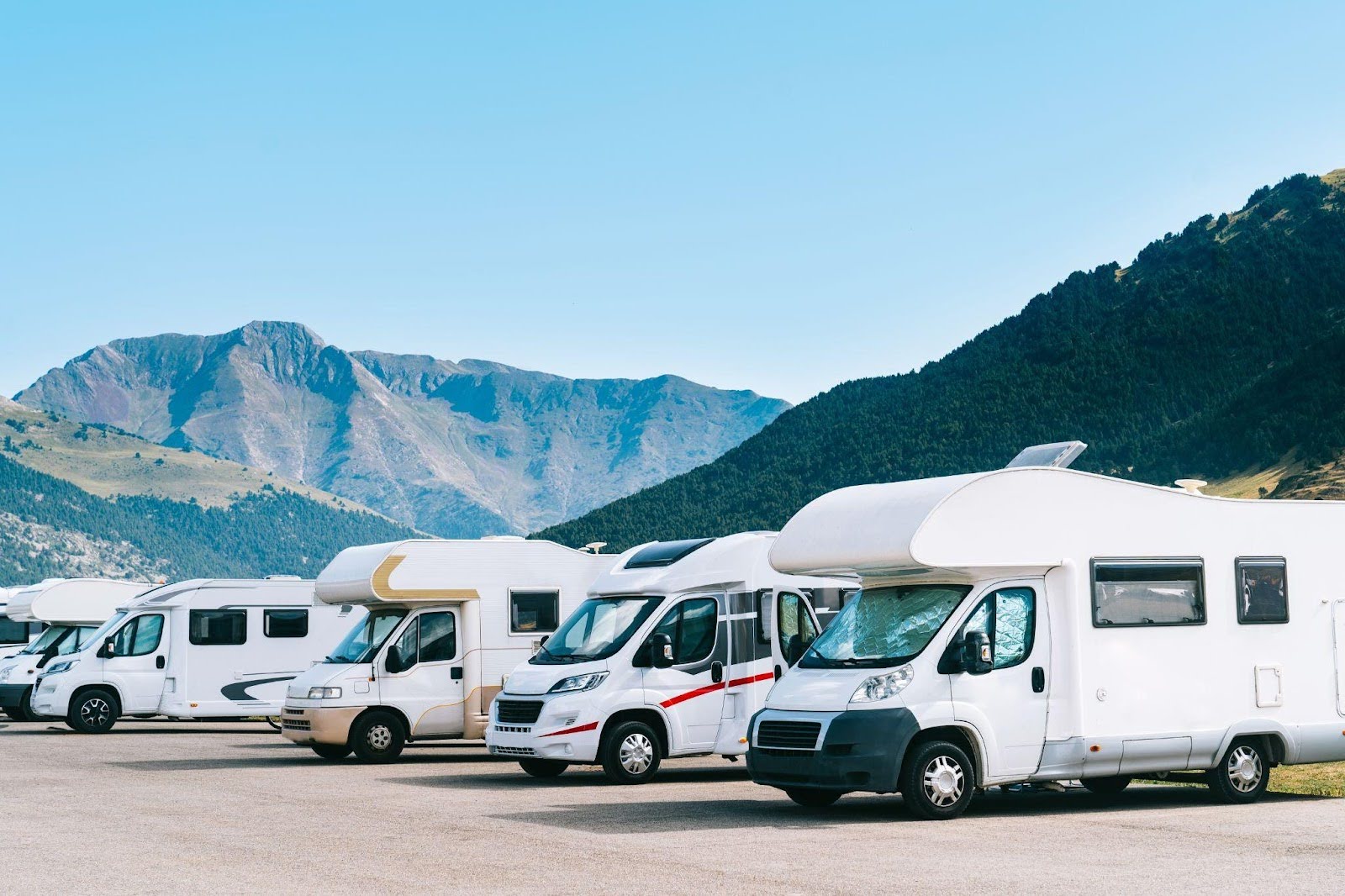
Choosing the right RV parking storage option is critical. The best RV parking facilities offer clean, secure lots with gate access, surveillance cameras, and ample space for large vehicles. Combined with preventive maintenance, this ensures your RV remains in great condition, even when not on the road.
Step-by-step maintenance and security guide
1. Inspect and service your RV before storage
Change oil, check coolant levels, and top off all fluids. Run the engine briefly to circulate lubricants and keep seals flexible. This is one of the easiest and most effective steps for long-term RV parking success.
2. Drain and winterize water systems
If you’re in a cold region, flush water lines, tanks, and the heater, then add non-toxic RV antifreeze. Freezing is one of the biggest threats to hoses and pipes during long-term RV parking.
3. Battery maintenance
Disconnect your battery or attach a trickle charger. Clean terminals and store in a cool, dry spot if possible. Batteries lose power quickly during extended RV parking storage.
4. Tire protection
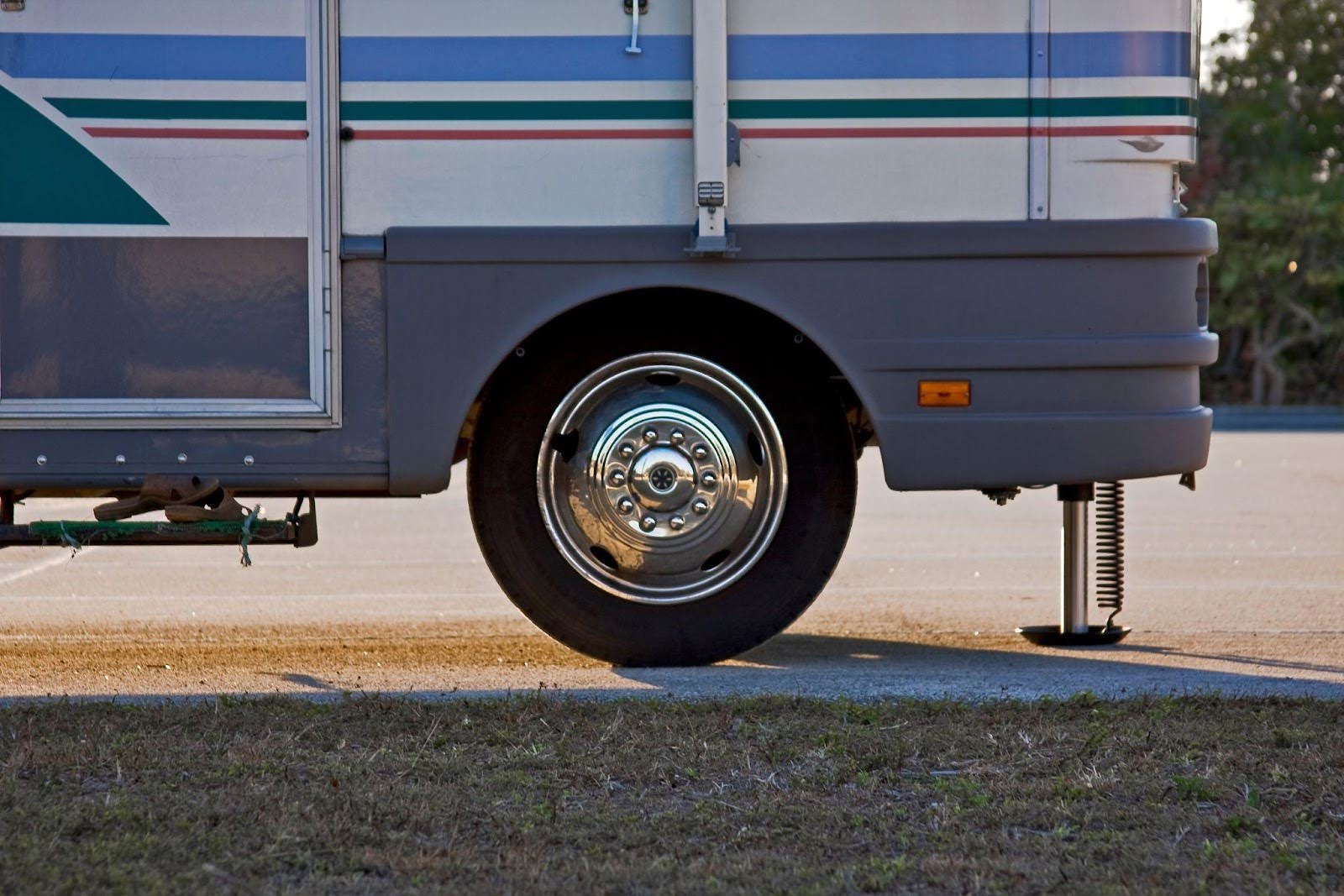
Inflate tires to the proper PSI, use covers to block UV rays, and park on boards or mats to avoid flat-spotting. These simple steps prevent costly replacements later.
5. Secure windows, vents, and seals
Inspect all seals around doors, vents, and windows. Reapply sealant where cracking occurs to prevent leaks and pest entry during long-term RV parking.
6. Deep clean inside and out
Wash the RV’s exterior, wax the body, and vacuum interiors. Remove all food, open packages, and dispose of liquids to prevent pest infestations.
7. Choose a safe location
Opt for the best RV parking facility within your budget — one that offers gated access, cameras, and on-site staff. Covered or indoor options add protection from Utah’s extreme weather.
8. Enhance security features
Install GPS trackers, wheel locks, and smart locks for improved safety. Motion lights or cameras also deter unauthorized access, especially when RV parking storage is outdoors.
9. Cover the RV properly
Use a breathable, custom-fit RV cover that shields against UV rays and moisture. Avoid tarps that trap condensation.
Why RV storage maintenance matters
- Prevents mechanical issues
- Extends battery and tire life
- Keeps pests out
- Protects paint and exterior materials
- Ensures safety and security
- Saves money long-term
Common mistakes to avoid
1. Leaving food or trash behind
Food residue is one of the fastest ways to invite pests into your RV. Even tiny crumbs on carpets, counters, or under cushions will attract ants, roaches, and rodents. Before long-term RV parking, empty the fridge and pantry, wipe all surfaces, vacuum thoroughly, and remove trash so there’s nothing left to smell or snack on.
2. Forgetting battery or tire care
Dead batteries and damaged tires are among the most common problems after extended storage. Always disconnect the battery or maintain its charge, and inspect each tire for wear, cracks, and correct pressure before and during storage to prevent blowouts, flat spots, and premature replacement.
3. Using cheap tarps instead of covers
It’s tempting to throw a basic plastic tarp over your RV, but non-breathable materials trap moisture, leading to condensation, mold, and mildew on the roof and walls.
A quality, breathable cover made for RV parking storage allows airflow while still protecting against dust, UV rays, and light precipitation — keeping the exterior and interior drier and cleaner.
4. Overlooking security measures
Assuming your RV is “fine where it is” can be an expensive mistake. Unsecured driveways or dark, unfenced lots are more vulnerable to theft and vandalism. Always lock doors, windows, and compartments, and consider adding wheel locks, hitch locks, smart locks, or motion-sensor lighting to strengthen security wherever you store your RV.
5. Picking based solely on price
The cheapest storage spot isn’t always the safest or most protective. Spending a bit more for the best RV parking with strong security, good lighting, and solid surfaces can save you far more in avoided damage, theft, and long-term repairs.
Data and insights on RV storage
- Most RV thieves target unsecured or poorly lit lots.
- In a climate like Utah’s, where temperatures swing from below 0°F in winter to near or above 100°F in summer, unprotected RV materials degrade more quickly when the vehicle is left exposed.
- UV exposure alone can noticeably fade graphics and weaken rubber seals after only a few seasons without shade or a cover.
Recommended tools and products
- Trickle charger: Keeps the battery charged without overloading it
- Tire covers and pads: Extends tire life and prevents cracking during long-term RV parking
- Moisture-control pouches: Absorb interior humidity and reduce mold risk
- GPS tracker: Lets you monitor your RV remotely and alerts you to movement
- RV cover: Breathable protection against sun, rain, and snow
- Wheel chocks and stabilizers: Prevent shifting and add stability during storage
FAQ
Q: How often should I inspect my RV in long-term storage?
Aim to inspect your RV every three to four weeks during long-term RV parking. During each visit, check for roof or window leaks, signs of pests, and changes in tire pressure, then walk around the vehicle for any new damage. If possible, start the engine and let it run for 10-15 minutes to circulate fluids and keep seals lubricated.
Q: What’s the difference between covered and uncovered RV storage?
Covered RV parking storage provides overhead protection from sun, snow, hail, and debris, helping preserve your roof, seals, and exterior finish over time. Uncovered storage is typically more affordable and widely available, but your RV will need a high-quality, breathable cover and more frequent inspections to guard against weather damage.
Q: Can I leave fuel in the tank during storage?
Yes, you can leave fuel in the tank during long-term parking for RV storage, but it’s best to fill the tank first to minimize internal condensation. Add a fuel stabilizer according to the product directions, then run the engine briefly so the treated fuel circulates through the system before you park it for an extended period.
Q: What type of security is best for RV storage?
The best RV parking setup combines strong facility security with your own deterrents. Look for gated access, surveillance cameras, good lighting, and clear access controls, then add personal protections like wheel locks, hitch locks, upgraded door locks, and a GPS tracker or smart alarm to monitor your RV remotely.
Q: What’s the best time to prep my RV for storage?
Plan a full prep before the coldest part of winter or right after your final trip of the season, while any maintenance needs are still fresh in your mind. The earlier you clean, inspect, and secure the RV, the better it will handle long-term RV parking and the less work you’ll have when it’s time to hit the road again.
Park your RV at Bear River Storage
When you’re ready to park your RV for more than a weekend, you shouldn’t have to worry about where it’s sitting or how well it’s protected. At Bear River Storage, we make long-term RV parking simple, secure, and stress-free with spacious spots, robust security, and easy access when it’s time to hit the road again.
Whether you need seasonal RV parking or year-round space, our friendly team can help you choose the best option for your rig and budget. Reach out to Bear River Storage today to reserve your spot and give your RV the clean, safe home it deserves between adventures.