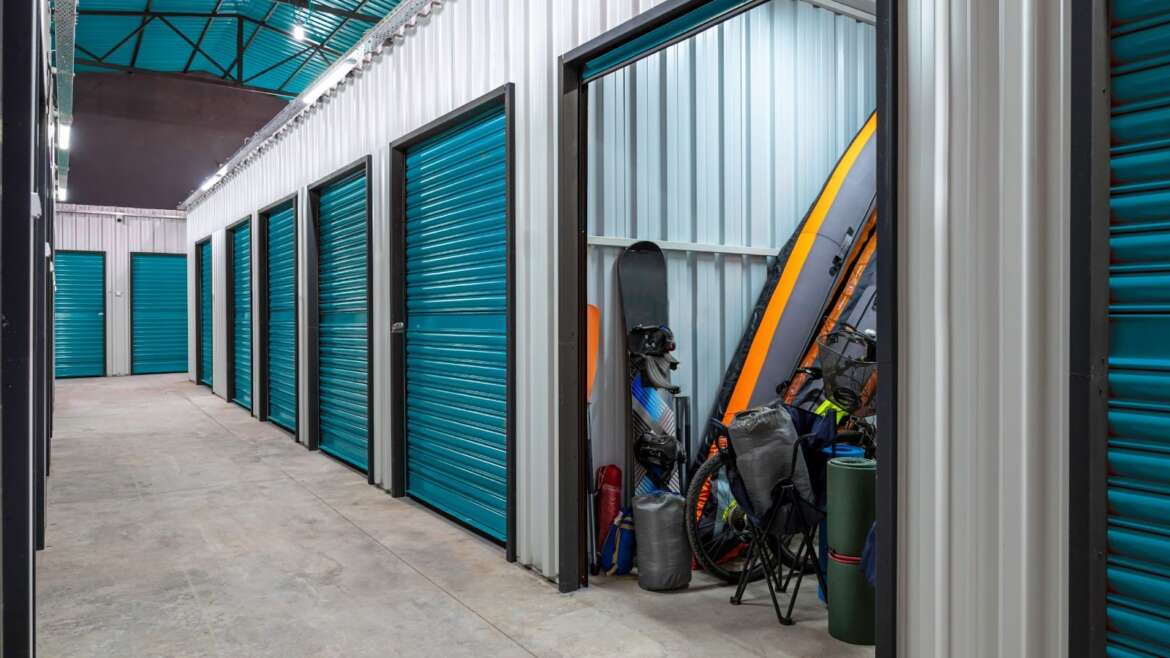
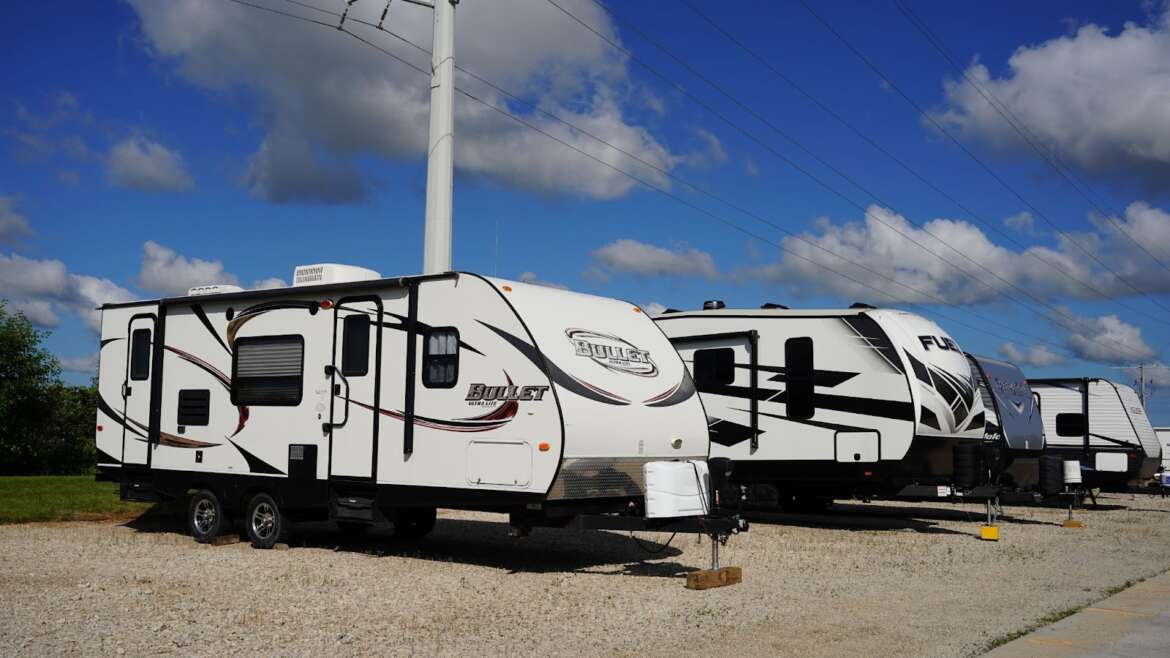
Most facilities require insurance for self storage before you can rent a unit. Storage unit insurance typically covers fire, theft, vandalism, and water damage, but it often excludes natural disasters, vehicles, and high-value items like jewelry. Knowing the difference protects your belongings and your wallet.
Why this matters before you sign a lease
Renting a unit feels simple until something goes wrong. A pipe bursts or a storm rolls through Utah County. That’s when most renters discover their homeowners’ policy doesn’t cover what they assumed it did.
In this guide, you’ll learn exactly what storage unit insurance covers, what it leaves out, the mistakes to avoid, and how to choose coverage that actually protects what you’re storing at a secure self storage facility.
What is insurance for self storage?
Storage unit insurance protects your belongings while they sit in a rental unit. It’s separate from the facility’s own building insurance, which protects only the physical structure.
Most facilities require proof of insurance for self storage before handing over the keys. You typically have two paths to meet that requirement: extend your existing homeowners’ or renters’ policy to cover off-premises property, or purchase a standalone plan, often offered directly through the facility.
Expert Insight: A secure self storage facility with gated access and video surveillance reduces your risk of loss, but it doesn’t replace insurance. Security measures and insurance coverage solve two different problems: one keeps people out, while the other reimburses you if something still goes wrong.

Step-by-step: how to choose the right coverage
- Inventory what you’re storing. Walk through your unit (or your moving boxes) and list every item, noting approximate replacement value (not what you paid originally).
- Check your existing homeowners’ or renters’ policy. Ask your agent whether off-premises coverage applies to a storage unit and what the payout limit is.
- Compare that limit to your inventory total. If your belongings exceed the limit, you’ll need supplemental coverage.
- Request the facility’s insurance program details. Many secure self storage operators offer an in-house plan. Review the monthly cost, deductible, and coverage cap.
- Read the exclusions list line by line. Look specifically for flood, earthquake, mold, pest, and vehicle exclusions.
- Decide on vehicle or high-value item coverage separately. Motorcycles, cars, and collectibles usually need a dedicated rider or policy.
- Keep photos and receipts. Store digital copies of your inventory list off-site so you can file a claim quickly if needed.
Benefits of having insurance for self storage
- Reimburses you for stolen or damaged belongings without draining your savings
- Fills the gap left by homeowners’ or renters’ off-premises limits
- Often required to rent a unit at a secure self storage facility in the first place
- Covers a range of perils like fire and vandalism
- Gives peace of mind for long-term storage of seasonal items or furniture
- Can be paired with a home inventory to speed up any future claim
Common mistakes to avoid
Avoiding these pitfalls is as important as buying a policy in the first place:
- Assuming the facility’s insurance covers your belongings. A facility’s policy protects the building.
- Assuming your homeowners or renters policy covers everything. Off-premises coverage is common, but it’s usually capped well below your in-home limit.
- Underinsuring to save on premiums. Estimating your items’ value too conservatively can leave you badly short if you ever need to file a claim.
- Skipping the exclusions list. Flood, mold, and pest damage are often excluded from standard policies.
- Not keeping an inventory. Without photos or a written list, proving a loss is much harder.
- Letting coverage lapse. A missed payment can create a gap in protection at exactly the wrong time.
- Forgetting vehicles need their own policy. Cars, motorcycles, and ATVs typically aren’t covered under a standard contents plan.
Key facts and sources
- Off-premises personal property coverage under a homeowners policy is often capped at around 10% of the total personal property limit. So, a $100,000 policy might only cover $10,000 in a storage unit.
- Standard storage unit insurance commonly covers fire, theft, vandalism, and smoke damage, but may exclude hurricanes, tornadoes, or other large-scale natural disasters.
- These policies can include coverage for building-related losses like fire, explosion, and water damage, and some extend to earthquakes or flooding, depending on the insurer.
Recommended coverage options
- Your existing homeowners or renters policy (ask about off-premises limits)
- A standalone plan through your secure self storage facility
- Third-party storage insurance providers offer more flexible limits
- A dedicated auto or motorcycle policy for stored vehicles
- Renters insurance riders for high-value items like jewelry or collectibles
- A digital home inventory app or spreadsheet for documentation

FAQ
Q: Do all storage facilities require insurance?
Most do, though requirements can vary by location and unit type. It’s best to confirm directly with your secure self storage facility before move-in day.
QL Will my homeowners’ insurance cover a storage unit?
It will often partially cover it. Many policies extend off-premises coverage, but the limit is usually a percentage of your total personal property coverage, so check the cap before relying on it.
Q: Does storage unit insurance cover natural disasters?
Not always. Standard policies frequently exclude floods, earthquakes, and major storms, so ask specifically if you’re in a higher-risk area.
Q: Can I insure a vehicle stored in a unit?
Yes, but typically through your auto or motorcycle policy rather than through standard insurance for self-storage. Make sure the storage address is listed on that policy.
Q: How much coverage do I actually need?
You need enough coverage to match the replacement cost of everything in your unit. An inventory list makes this easier to calculate accurately.
Store your belongings with Bear River Storage
Insurance for self storage stands between you and a costly loss. Whether you extend your homeowners policy or add a dedicated plan, understanding what’s covered, what’s excluded, and where the common mistakes happen puts you in control.
Store your belongings at Bear River Storage for reliable, secure self storage backed by a team that helps you get coverage right from day one. Stop by or call to discuss storage options and insurance for self storage with our staff before you move in.