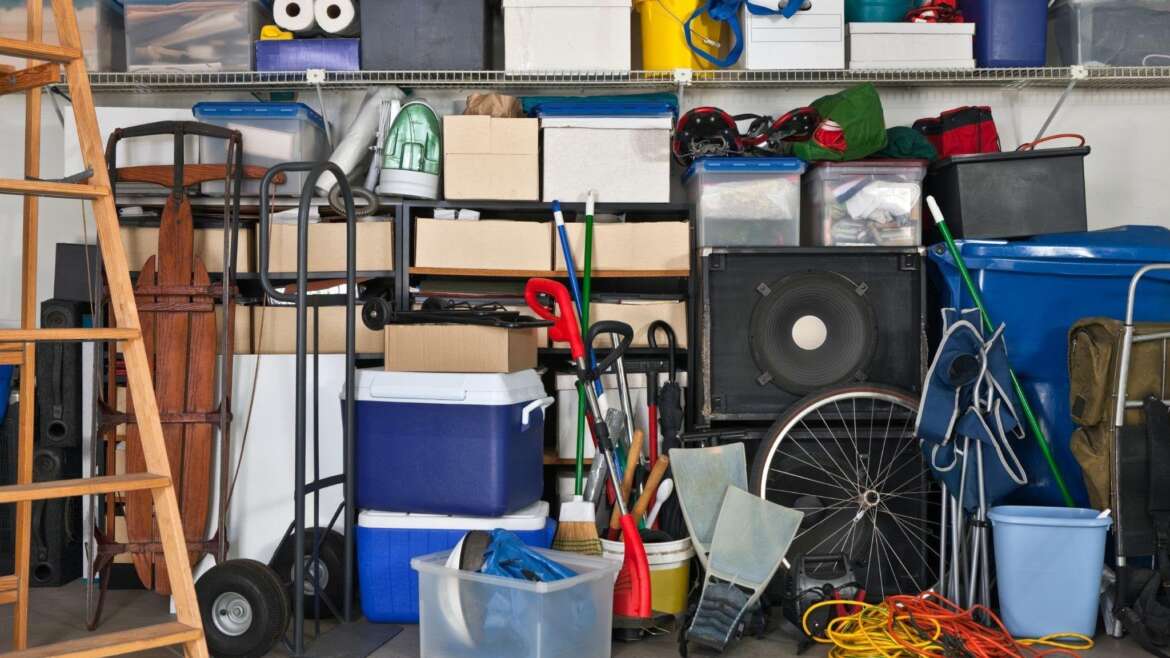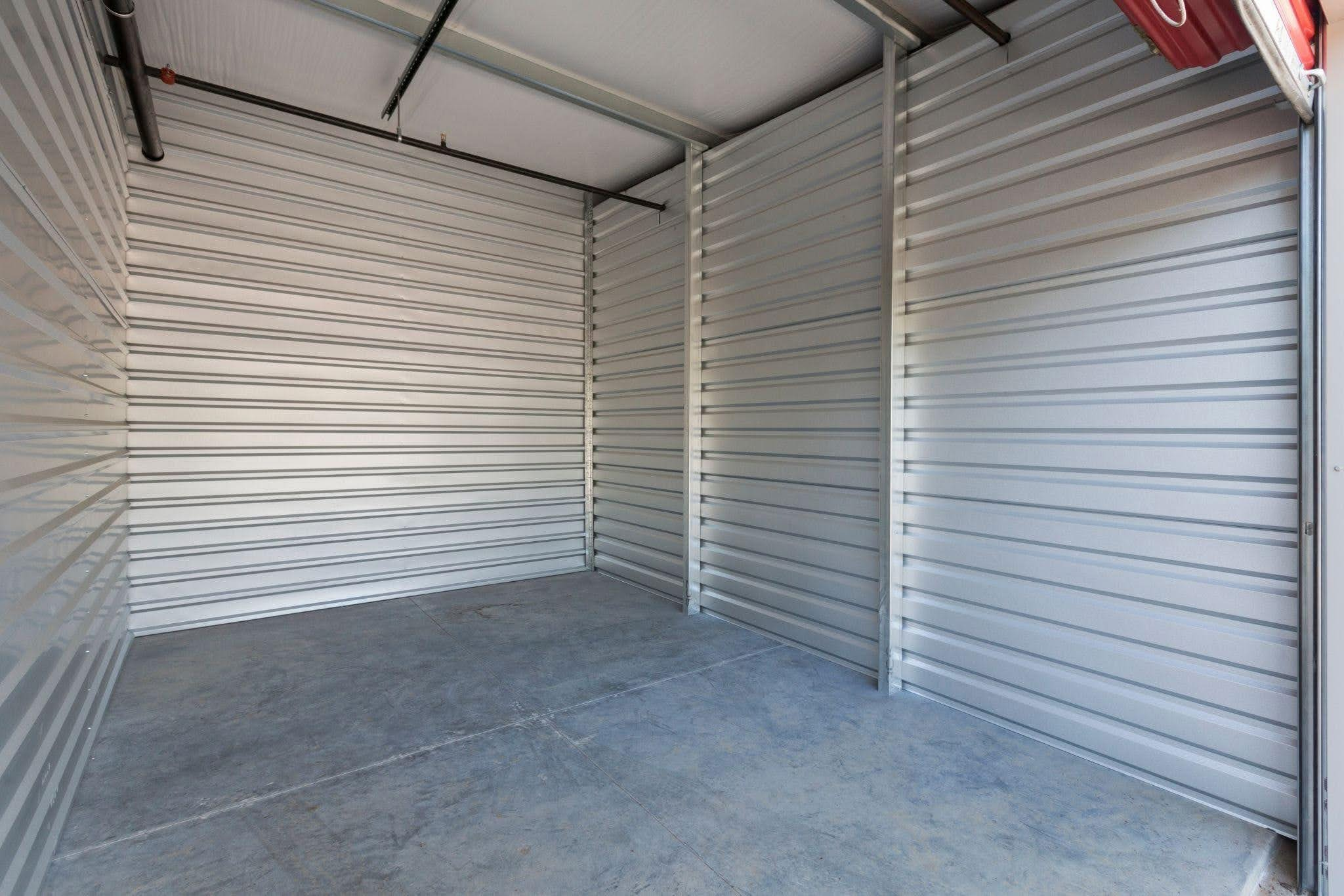
Storage decisions usually start with a practical problem, such as a move that needs some breathing room or a home with more belongings than closets.
Search “how much does self-storage cost,” and you’ll find answers ranging from $35 a month to well over $150. Both ends of that range are accurate because unit size, climate control, location, and lease structure each move the price.
This guide breaks down the numbers so you can rent secure self-storage without paying for space or features you’ll never use. Keep reading to learn more.
Cost by unit size
Unit size is the biggest factor in your monthly bill. SpareFoot’s 2026 averages show the following at a monthly rate:
- A 5×5 at $34.89
- A 5×10 at $50.92
- A 10×10 at $80.43
- A 10×15 at $109.03
- A 10×20 at $130.14
A second dataset from StorageAtlas, built from rates published on facility websites, runs higher for the sizes it covers, so the cost of self-storage depends partly on whose numbers you read. Treat the two columns below as a realistic range.
| Unit Size | Roughly Comparable To | SpareFoot Average | StorageAtlas Average |
| 5×5 | A closet | $34.89 | $57 |
| 5×10 | A small bedroom | $50.92 | $82 |
| 10×10 | A one-bedroom apartment | $80.43 | $115 |
| 10×15 | A large one-bedroom or small two-bedroom | $109.03 | $154 |
| 10×20 | A large household or a vehicle | $130.14 | Not listed |
Bigger units cost more each month but less per square foot. SpareFoot calculates $1.40 per square foot for a 5×5, compared to $0.65 per square foot for a 10×20, so a larger unit can be the better value if you will genuinely use the space.
Cost by lease length
Here is the part most guides skip: the majority of self-storage is leased month-to-month rather than for a fixed term, so lease length mostly shows up in the pricing structure.
Month-to-month renting keeps you flexible, making it a better fit when your timeline is uncertain. Short-term promotions, such as a free or half-price first month, help with move-in costs, though these deals often require a minimum commitment of two or three months and sometimes apply only to certain units.
Prepaying for six or twelve months can earn a discount, commonly a free final month, and some operators guarantee your base rent for the first year with no prepayment required. A quick illustration: an $80 unit costs $960 over twelve months at the standard rate. Prepay for 11 months, receive the 12th free, and the year costs $880, a savings of about eight percent.
Over a longer stay, rent increases outweigh the discount. Operators commonly raise rates every six to 18 months, typically by 5 to 10 percent, and the average renter stays about 20 months. The cost of self-storage on your final bill rarely matches the introductory rate.
What else changes the price
Climate control adds roughly 10 to 25 percent to a comparable standard unit, according to SpareFoot, which makes climate-controlled storage units worth the premium mainly for sensitive belongings such as wood furniture, electronics, documents, and keepsakes. Drive-up and ground-floor units can also cost more than the same size elsewhere in a facility.
Insurance usually adds another $10 to $30 per month and is not included in the rent, though your homeowners or renters policy may already cover stored items. Timing matters as well, since rates tend to climb from May through September and bottom out between November and March.
Why the numbers matter
Knowing the cost of self-storage before you call pays off right away: you rent the right size on the first try and can compare quotes from different facilities on equal footing. You can rent the right size on the first try and compare quotes from different facilities on equal terms.
Matching your lease structure to your timeline protects the budget you set at move-in. A facility that offers secure self-storage features such as gated access and on-site staff adds a layer of confidence that a lower rate alone cannot.
Common mistakes to avoid
- Renting more space than you need. List or measure your belongings first. You don’t want to pay for a half-empty unit.
- Skipping the promotion fine print. A free first month may carry a minimum commitment, and a promotional rate might expire on a set date.
- Ignoring future rent increases. Budget for a 5-10% bump if you expect to stay for more than a year.
- Forgetting insurance. Confirm whether your existing policy covers stored items before adding a separate plan.
- Paying for climate control by default. Climate-controlled storage units suit sensitive belongings, but sturdy items like tools and patio furniture rarely need the upgrade.
Key facts about the cost of self-storage
- The national average rent was $89.09 a month as of May 2026, down 0.9 percent from a year earlier.
- StorageAtlas reports an average 10×10 rate of $115 and a median of $99, calculated from rates published by listed facilities.
- SpareFoot also reports that operators commonly raise rent every six to 18 months, typically by 5-10%.
- The average renter stays about 20 months, according to HireAHelper’s 2026 self-storage statistics.
- U-Haul guarantees base rent for the first 12 months of a rental, with no prepayment required to qualify.
Recommended tools
- SpareFoot’s storage unit size guide shows what fits in each unit size.
- Bear River Storage will quote current rates and move-in specials on secure self-storage units available now.
Frequently asked questions
Q: How much does self-storage cost per month?
Nationally, the average is about $89 a month. A 5×5 starts near $35, a 10×10 runs roughly $80 to $118, and a 10×20 averages about $130. In Cache Valley, Utah, a 10×10 typically lands between $78 and $93.
Q: Do climate-controlled storage units cost more?
Yes. Expect to pay roughly 10-25% more than a standard unit of the same size. The upgrade makes the most sense for items affected by temperature swings and humidity.
Q: Is it cheaper to prepay for storage?
Often, through offers like a free twelfth month, but the savings are modest and only pay off if you stay the full term. Confirm the terms before paying.
Q: What other costs should I budget for?
Insurance typically adds $10 to $30 a month, and taxes and fees vary by location and facility. Ask for a full quote that includes every charge.
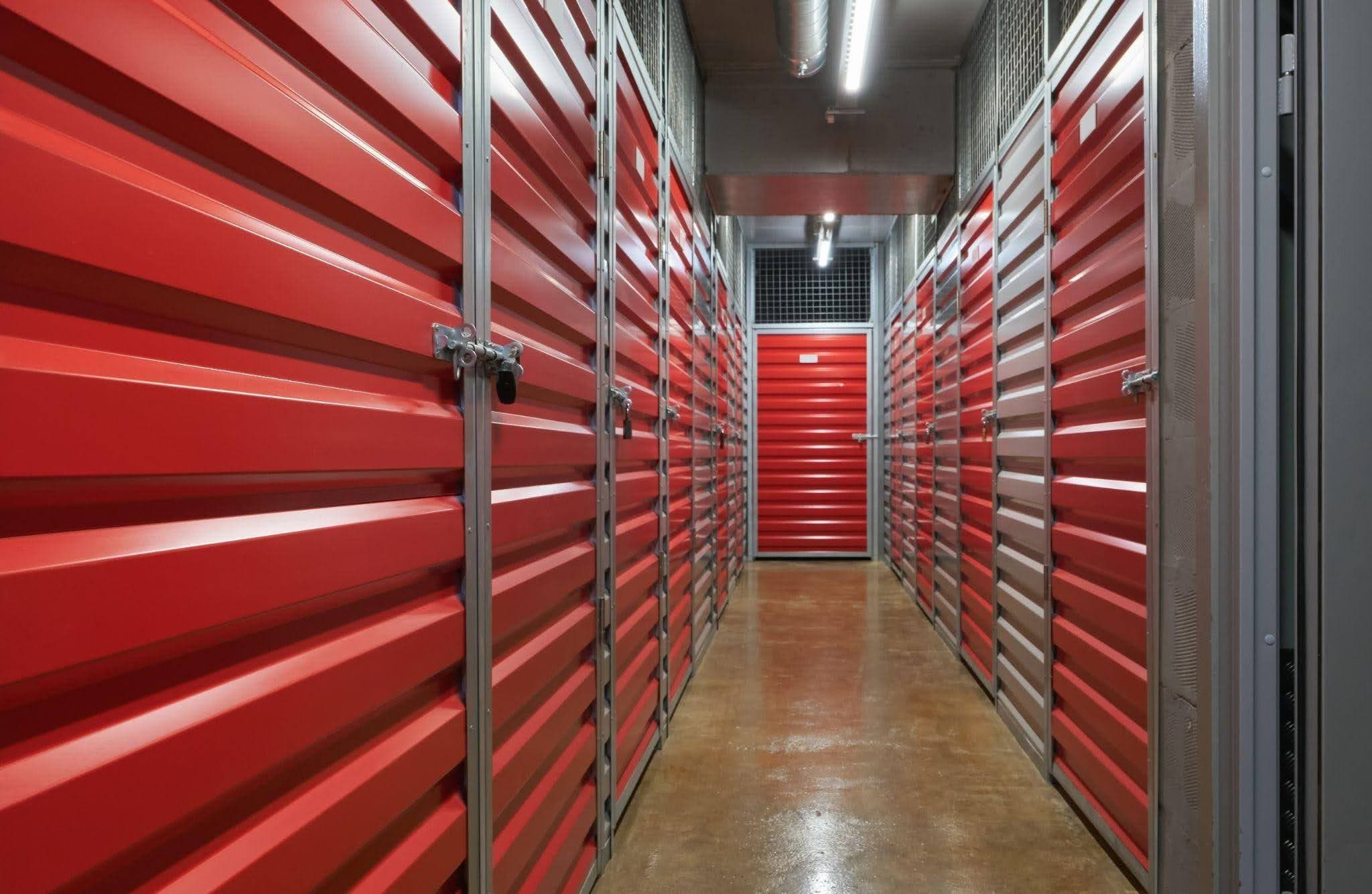
Get your custom quote from Bear River Storage
So, how much does self-storage cost for you? Your price comes down to four decisions: unit size, climate control, lease structure, and timing.
Bear River Storage offers secure self storage for families and businesses in Providence and communities across Cache Valley. Whatever you need to store, Bear River Storage is here to help, from a single small unit to the space a full household requires.
Request a custom quote today, and the team will match you with a unit size and lease structure that fit your timeline and budget.