Choosing the right storage unit size might not seem like a big deal — until you’re trying to cram in the last few boxes and realize you’re out of space. Or worse, you’re paying for way more room than you actually need.
The key to finding the right fit is proper planning and knowing what features to look for, especially when you’re considering storage units in Utah, where climate and seasonal needs often come into play.
In this guide, we’ll walk you through exactly how to determine the best secure self-storage unit size for your belongings, so you can store confidently without overpaying or compromising on space.
Keep reading to learn more.
1. Start with a detailed inventory
Before you even look at available storage units in Utah, take the time to list what you plan to store. This might seem like an obvious step, but it’s one many people skip, and it often leads to misjudging the storage unit size you’ll need.
Include all furniture, appliances, seasonal gear, business inventory, and boxes. If you’re planning to add items later, include them on your list as well. Grouping similar items will help you visualize the amount of space they’ll take up.
Don’t forget to note large or oddly shaped pieces, such as mattresses, desks, or exercise equipment, that may require special placement within your unit.
2. Know the standard storage unit sizes
Understanding standard sizing will help you estimate the space your belongings will occupy. Most secure self-storage facilities offer a consistent range of unit sizes. Here’s a quick breakdown of common options and what typically fits in each:
- 5×5 (25 sq ft): Great for a few boxes, seasonal decor, or small furniture items like chairs and lamps.
- 5×10 (50 sq ft): Ideal for the contents of a small bedroom — think a mattress set, nightstand, and several boxes.
- 10×10 (100 sq ft): Fits the contents of a one-bedroom apartment, including appliances, boxed kitchenware, and medium furniture.
- 10×15 (150 sq ft): Suitable for a two-bedroom apartment or small home.
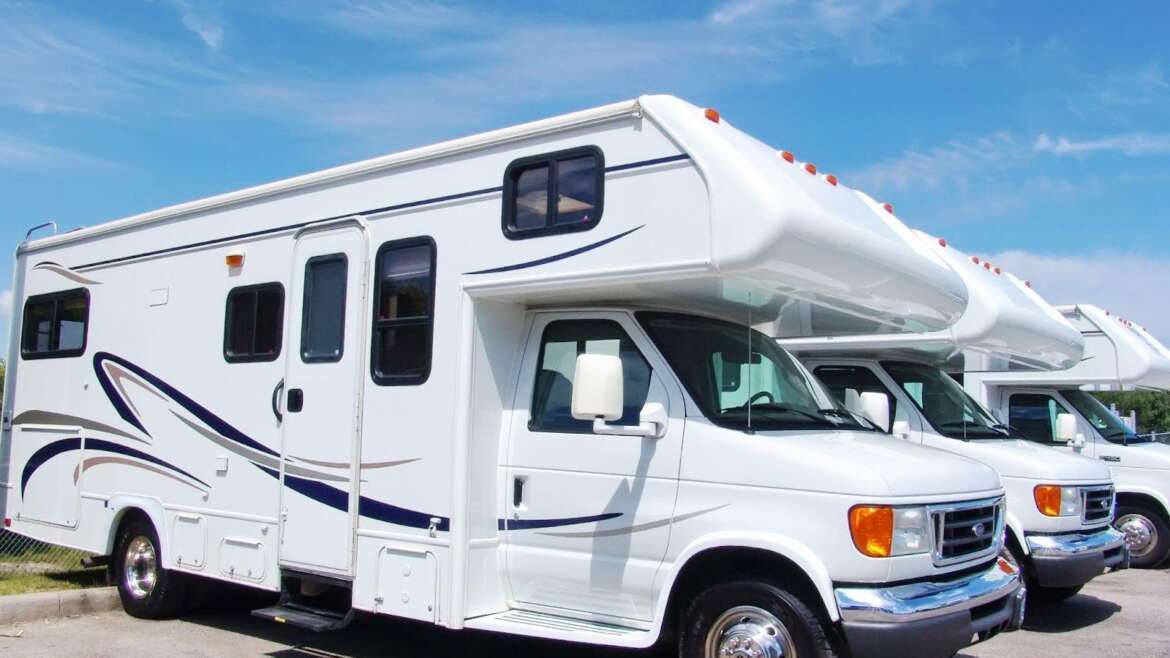
- 10×20 (200 sq ft): Holds a three-bedroom home’s worth of items or be used for small vehicle storage.
- 10×30 (300 sq ft): Best for large homes or commercial storage needs.
Some facilities also offer specialty sizes or extra-high ceilings. If you’re considering indoor units at a facility offering storage units in Utah, be sure to ask about the usable vertical space.

3. Think about how long you’ll be storing your items for
Short-term and long-term storage needs call for different approaches. If you’re storing for a few weeks during a move, you can get away with tightly packing your space. But if you plan to use the unit for several months — or even years — you’ll want to leave room to walk through or reorganize as needed.
Long-term storage should include extra space for airflow, access lanes between boxes, and shelving. A smaller storage unit size might seem more cost-effective, but not if it forces you to unload half your unit every time you need something from the back.
4. Consider special storage needs
Some items require a lot of space or need extra room for protection. For example:
- Climate-sensitive items, such as electronics, instruments, antiques, and documents, may require secure self-storage in a climate-controlled environment.
- Business inventory may require open space for frequent loading/unloading, or room for shelving.
- Fragile or large items may not stack easily, requiring more square footage than standard boxed goods.
When comparing storage units in Utah, also consider your seasonal needs — such as storing ski equipment, camping gear, or patio furniture — that you may use frequently throughout the year.
5. Use vertical space to your advantage
Most storage units in Utah have ceilings that range from eight to 10 feet high. That’s valuable real estate if you know how to use it.
Stack sturdy boxes and containers, and consider bringing in freestanding metal or plastic shelving to maximize organization and visibility. By going vertical, you may be able to rent a smaller storage unit while still accommodating all your belongings.
Place heavy items on the bottom, and keep fragile or frequently accessed items within easy reach.
6. Visualize the space with tools
Many secure self-storage providers offer digital tools to help you estimate the size of your storage unit. These may include interactive calculators, virtual tours or photos, or printable planning grids. Using these tools eliminates guesswork and helps you plan smarter, especially if you’re unable to visit the facility in person.
7. Leave room for growth
When selecting a storage unit size, it’s easy to focus only on your current needs — but what about six months from now? Life changes, and your storage needs often change with it. If you’re moving, remodeling, or running a growing business, choosing a slightly larger unit now will save you time, hassle, and money in the long run.
This is especially true for people renting storage units in Utah, where seasonal items like camping gear, ski equipment, and patio furniture often rotate throughout the year. Having room to add or swap items in and out makes your storage unit far more useful in the long run.
A little extra space also allows you to organize your belongings more efficiently. You can use shelves, keep walkways open, and access items without unpacking half the unit. At a secure self-storage facility like Bear River Storage, flexibility is key to the experience — so your storage unit grows with your needs.
8. Don’t guess — ask the experts
If you’re still unsure about the best storage unit size, please contact the facility for assistance. Reputable staff at secure self-storage locations know how to ask the right questions and help you find the perfect fit.
They may even offer to show you units in person or suggest creative solutions for tighter storage needs. Some facilities allow you to upsize or downsize later, but confirming that policy ahead of time gives you flexibility if things change.
What happens if you choose the wrong size?
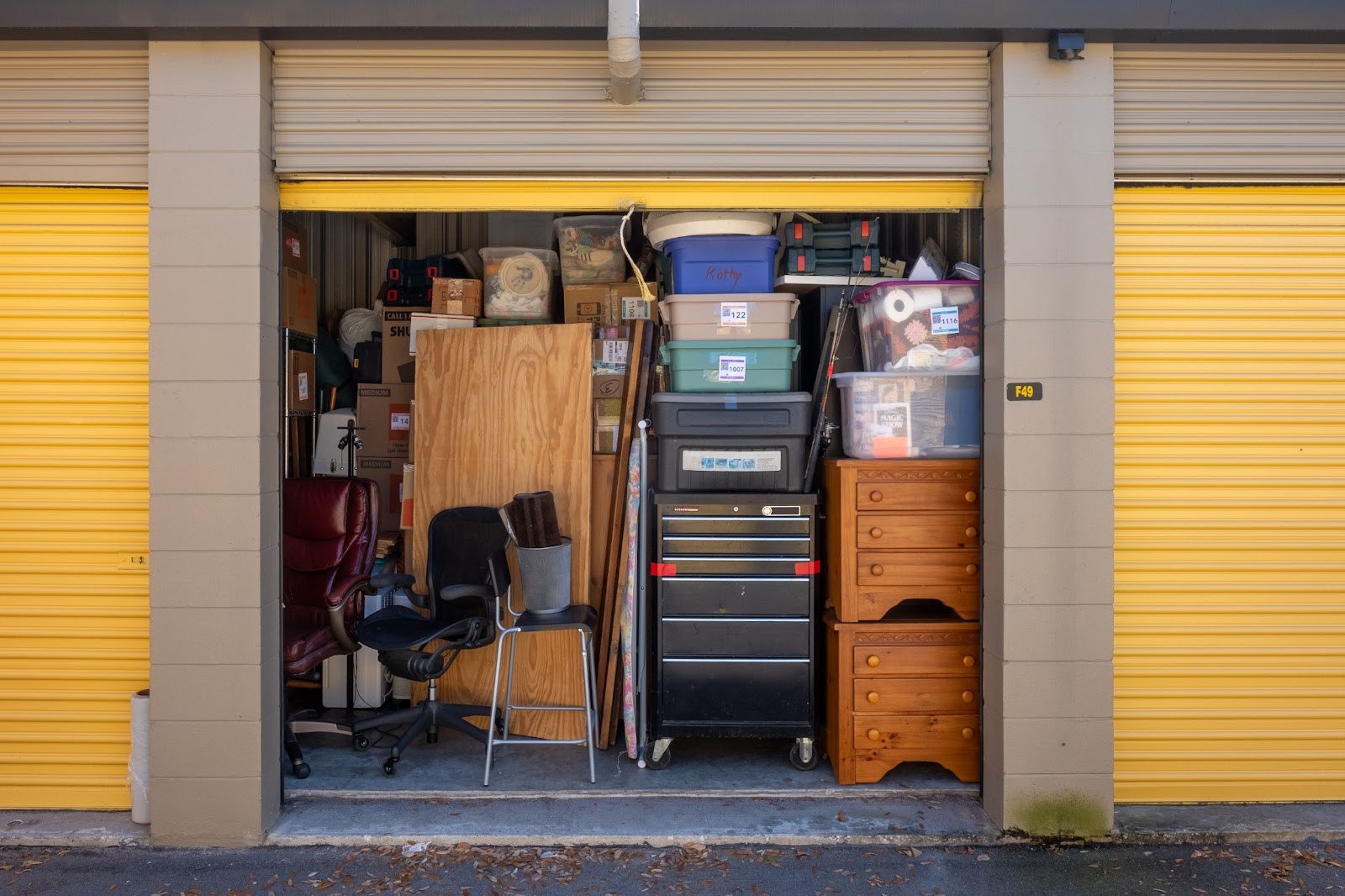
Choosing the wrong storage unit size quickly leads to frustration. A unit that’s too small means stacking items too tightly, risking damage, and making it difficult to find what you need. On the other hand, a unit that’s too large means you’re paying for square footage you don’t actually use.
Luckily, most reputable secure self-storage providers offer flexible solutions. If you discover the unit you’ve chosen isn’t quite right, staff will help you upgrade or downsize based on availability. This flexibility is especially helpful if you’re dealing with unpredictable storage needs, like staging a home or managing rotating storage units in Utah for outdoor gear or seasonal decor.
The right size means less stress, easier access, and better protection for your belongings. If you’re unsure, always ask for help. An experienced team can guide you toward the most efficient fit, saving you time and money. And if your needs change later, it’s good to know your storage solution will change with you.
Choose a space that works for you at Bear River Storage
Choosing the right storage unit size isn’t about getting the biggest space; it’s about finding the right one. With the right planning, you can protect your belongings, save money, and maximize every square foot.
Whether you’re storing for a month or a year, for personal or business use, finding a secure self-storage facility that offers clean, well-managed storage units in Utah makes all the difference.
Need help picking the perfect unit? Contact Bear River Storage today. Our team is here to guide you through the process, answer your questions, and help you find a storage solution that fits your life and your stuff — perfectly.