Short-term and long-term storage units for rent serve different needs based on how long you plan to store your belongings and how often you need access. Short-term options are flexible and ideal for moves or renovations, while long-term storage works best for ongoing, cost-effective, secure self-storage in indoor storage units.
Life transitions don’t always fit neatly into your garage or spare bedroom. Whether you’re between homes, remodeling, or downsizing, choosing the right storage units for rent is key to protecting your belongings without overspending.
The real question is: do you need short-term flexibility or the stability of long-term storage?
In this guide, you’ll compare short-term vs. long-term options, learn when secure self-storage makes the most sense, and see how indoor storage units protect your items from dust, temperature shifts, and everyday wear. Keep reading to learn more.
Short-term vs. long-term storage units
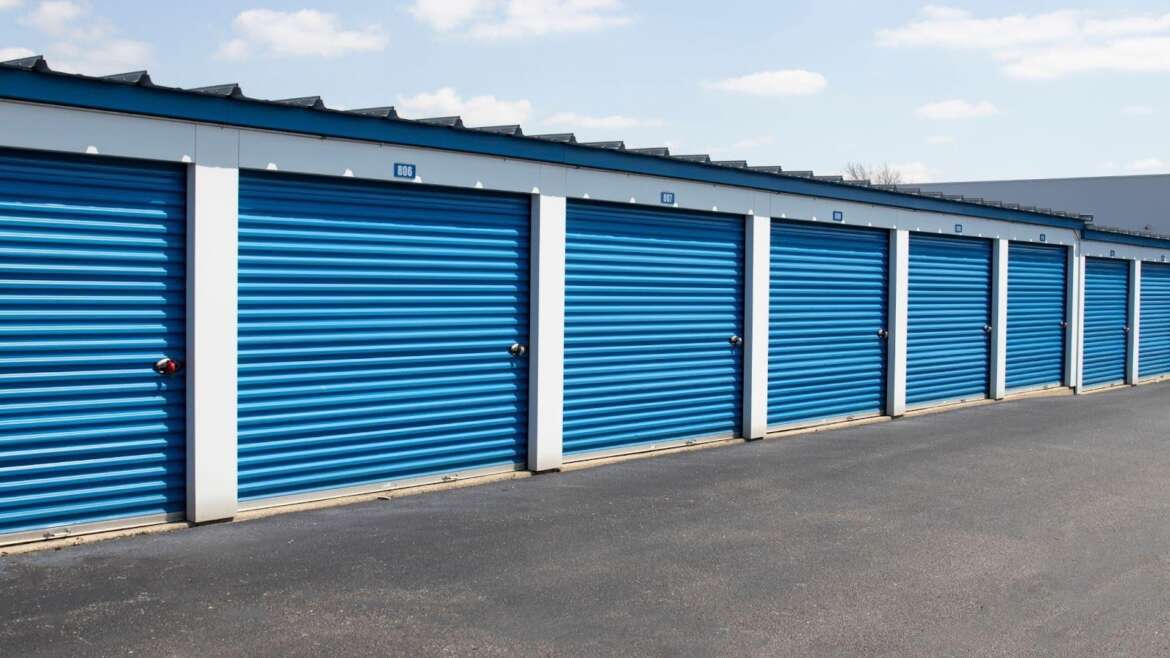
Short-term storage units for rent are typically used for a few weeks to a few months, often during moves, short renovations, or temporary life changes. They prioritize flexibility, easy access, and month-to-month agreements so you can adjust quickly as your situation changes.
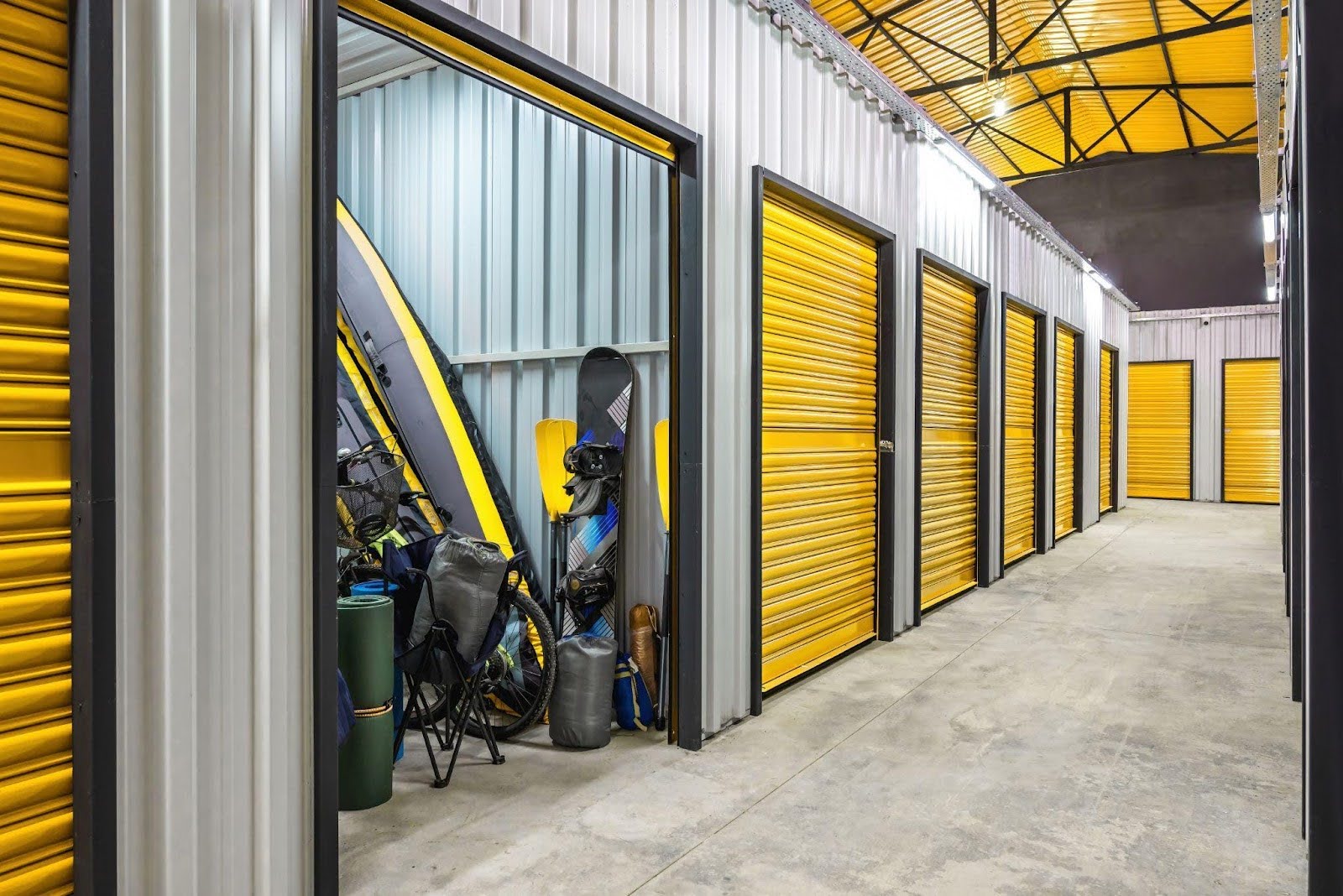
Long-term storage units are usually rented for at least six months and are ideal for ongoing secure self-storage, such as keeping seasonal decor, business inventory, or heirlooms safe. Many people choose indoor storage units for long-term needs to add extra protection from dust, pests, and temperature swings, especially in regions with harsh weather.
How to choose the perfect storage unit for your needs
1. Define your timeline
If you’re storing items for under three months, short-term storage units for rent usually offer all the flexibility you need. If you need longer than that, it’s a good idea to compare pricing and discounts for long-term agreements.
2. List what you’re storing
Everyday items like boxes, small furniture, and tools go in standard units. Sensitive items, including electronics, artwork, and documents, are better off in indoor storage units with more consistent conditions.
3. Decide how often you’ll visit
Frequent access (at least once a week) favors short-term or standard units with drive-up convenience. Infrequent access (seasonal or yearly) fits long-term secure self-storage where you prioritize price and protection.
4. Consider security needs
Look for storage units for rent that offer gated access, cameras, and individual locks. If you’re storing high-value items, prioritize secure self-storage and consider indoor storage units inside a locked building.
5. Set a realistic budget
Short-term rentals may cost more per month but save you money if you only need them briefly. Long-term storage often comes with lower monthly rates or promotions, especially if you commit to a longer term.
Example scenarios
Short-term storage example
A family renovating their main floor needs a place to put their furniture and boxes for eight weeks. They choose short-term storage units for rent close to home, with drive-up access to move items in and out quickly as the project progresses.
Long-term storage example
A small business owner needs year-round secure self-storage for inventory and seasonal displays. They choose indoor storage units to keep products cleaner and better protected from dust and temperature swings over the long haul.
Mixed-use example
A college student uses short-term storage for summer break, and their parents use a long-term unit to store holiday decorations, camping gear, and keepsakes. This shows how one facility supports multiple needs at once.
Why the right storage option matters
- Cost efficiency: Matching your needs to the right storage unit prevents overpaying for space or time you don’t use.
- Better protection for belongings: Secure self-storage with solid locks and surveillance helps safeguard your items from theft or tampering.
- Improved item condition: Indoor storage units reduce dust, limit temperature fluctuations, and provide a cleaner environment for long-term storage.
- Convenience and access: Choosing the right term length and unit type helps you access items when you need them, without constant contract changes.
- Stress reduction: Knowing your belongings are safe and stored in the right place gives peace of mind during transitions or long-term plans.
Common mistakes to avoid
Choosing by price alone
Picking the cheapest storage unit without checking security, cleanliness, or access hours leads to frustration or damage to your items.
Underestimating space
Renting too small a unit forces you to stack items dangerously or upgrade mid-term. Measure large items and review size guides before choosing a secure self-storage unit.
Ignoring security features
Not all facilities offer the same protection. Skipping features like cameras, gated entry, or indoor storage units increases risk for long-term storage.
Overpacking for short-term use
For short-term storage, avoid burying frequently used items behind heavy furniture. Keep essentials near the front of your unit for easy access.
Staying in short-term mode too long
If months go by and you’re still using the same unit, reassess. You may save money by switching to a long-term plan or a different unit type.
Recommended storage tools and add-ons
- Sturdy shelving: Helps organize boxes in both short-term and long-term storage units for rent.
- Plastic bins with lids: Offer extra protection inside secure self-storage, especially in non-climate-controlled spaces.
- High-quality locks: Disc locks or cylinder locks add security for both drive-up and indoor storage units.
- Labels and inventory lists: Make it easy to find items quickly, especially in long-term setups.
- Furniture covers or blankets: Protect surfaces from dust and scratches, particularly for longer stays.
FAQ
How long is “short-term” vs. “long-term” storage?
Short-term typically means a few weeks up to about three months, and is often used during moves or projects. Long-term storage usually runs six months or more and is ideal for ongoing secure self-storage of items you don’t need every day.
Are indoor storage units worth it for short-term storage?
Yes, if you’re storing delicate items like electronics, artwork, or documents, indoor storage units are worth it even for a short time. They offer a cleaner, more controlled environment than many outdoor units.
Can I switch from short-term to long-term storage later?
In most facilities, yes. You start with flexible storage units for rent and then extend your stay or move into a different size or type once you know what you need.
What makes a facility truly “secure self-storage”?
Look for gated access, cameras, good lighting, high-quality locks, and clean, well-maintained buildings. Facilities with indoor storage units often have an added layer of building security.
How do I know what size unit I need?
Make a list of everything you plan to store and measure large items like couches or appliances. Most storage providers offer size guides and recommend storage units for rent that match your inventory and timeline.
Storage units in Utah
In areas with hot summers, cold winters, or frequent dust and wind, choosing indoor storage units makes a noticeable difference in how well your items hold up over time. Local renters often use secure self-storage.
Store your belongings with Bear River Storage
When you’re ready to get organized, you shouldn’t have to guess which storage option is right for you. At Bear River Storage, you’ll find a wide range of storage units for rent, from compact spaces for a few boxes to larger units for furniture, seasonal gear, and business inventory.
Our facilities combine flexible terms, strong security features, and clean, easy-to-access buildings so you can store with confidence.
No matter what you need, Bear River Storage is here to help you choose the right size and setup. Reach out today to speak with a storage specialist, compare available units, and reserve the right space for your belongings.