
Month-to-month storage leases offer flexibility, while long-term leases usually provide lower monthly rates. The best option depends on how long you plan to store your belongings, your budget, and whether your timeline may change. Choosing the right lease for your secure self-storage unit can help you avoid unnecessary fees and save money over time.
Which lease is right for you?
Renting a storage unit seems simple at first, until you have to decide between a month-to-month agreement or a long-term lease. While both options have advantages, choosing the wrong one could cost you more than you expected.
Some renters lock into long-term contracts for lower rates, only to move out early and face penalties. Others choose month-to-month flexibility but end up paying higher rates for years. The key is understanding which option actually fits your needs.
In this guide, we’ll break down the differences between lease types, compare costs, and explain when each option makes the most financial sense. Whether you’re looking for temporary space during a move or long-term storage units for rent, these tips will help you make a smarter decision.
What is a storage lease?
A storage lease is the rental agreement between you and the storage facility. It outlines your monthly rate, payment terms, access rules, and move-out requirements.
Most facilities offer two primary lease options: month-to-month and long-term.
Month-to-month agreements automatically renew each month and offer flexibility. Long-term leases lock you into a set timeframe in exchange for discounted pricing.
The right option depends on your situation. If your timeline is uncertain, flexibility matters. If you know you’ll need space for a long time, a longer contract may reduce your monthly costs.
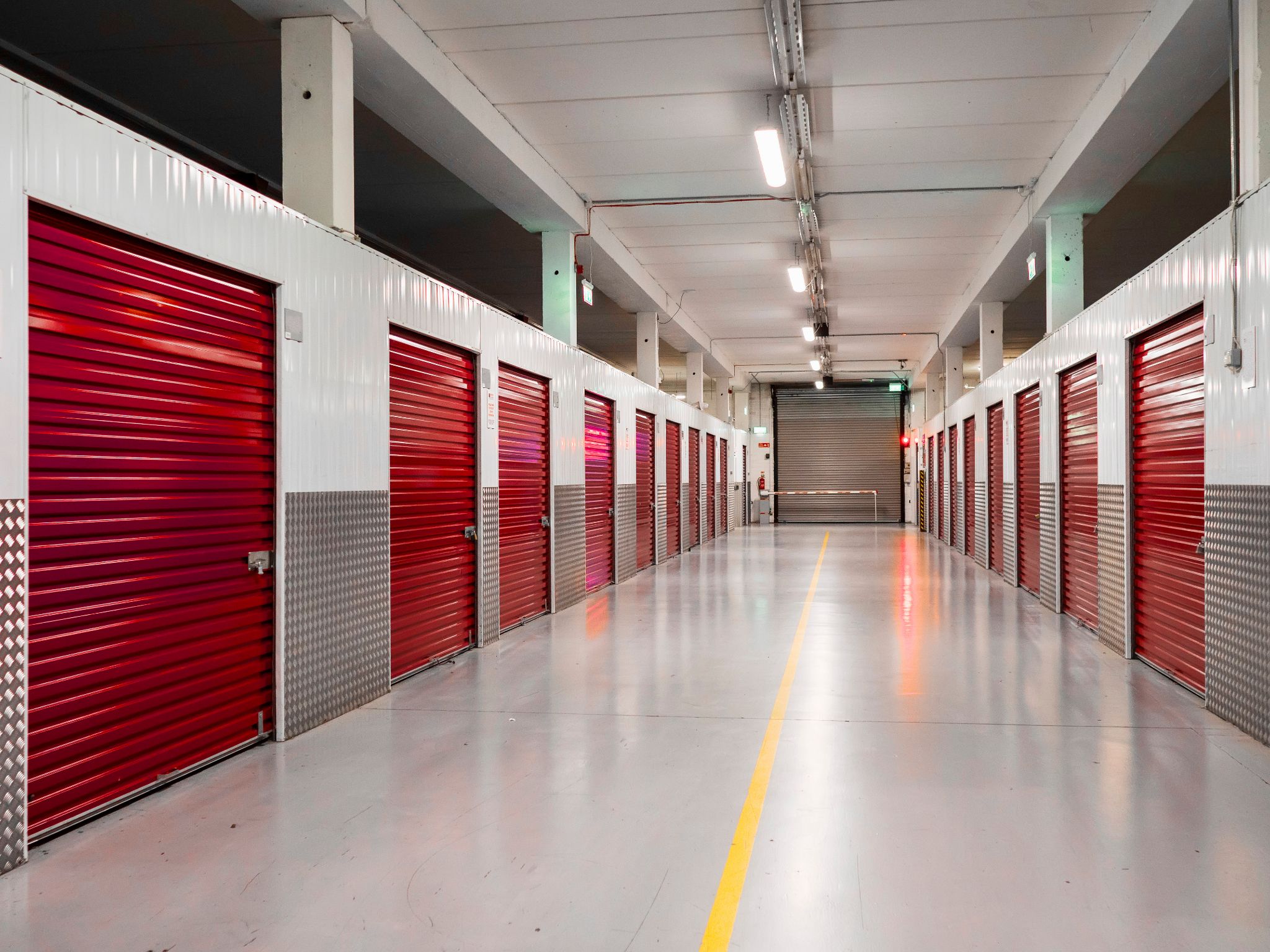
No matter which lease you choose, it’s important to prioritize quality facilities offering secure self-storage and reliable protection for your belongings. Many renters also prefer indoor storage units for added protection from weather and temperature changes.

Month-to-month storage leases
Month-to-month leases are ideal for flexibility. You pay monthly and can usually move out with short notice.
Month-to-month leases are best for:
- Moving transitions
- Temporary life changes
- College students
- Renovations
- Seasonal storage
The pros of month-to-month storage leases include:
- No long commitment
- Easier to upgrade or downsize
- Lower financial risk if plans change
- Greater flexibility
The trade-off is higher monthly rates, possible price increases, and fewer promotional discounts.
If you aren’t completely sure how long you’ll need storage units for rent, month-to-month leasing often prevents the unnecessary costs of overcommitting to a long-term storage unit.
Long-term storage leases
Long-term leases lock in your rental rate for a fixed period, often at a discounted monthly price, making them an attractive option. They are best for long-term moves, military deployments, business inventory storage, estate storage, and long-term downsizing.
However, long-term storage leases also come with early termination fees if you no longer need storage, less flexibility, and the possibility of having to pay for unused months if you need to move your belongings earlier than you anticipated.
Long-term leases make the most sense when you’re confident you’ll need secure self-storage for at least six months to a year.
Storage examples
Moving example
A family building a new home expected construction to take 12 months. They signed a long-term lease for indoor storage units and locked in a discounted rate. Their timeline stayed on track, helping them save significantly over time.
College student example
A student renting a temporary storage unit during summer break chose month-to-month storage. Since their timeline changed unexpectedly, they avoided paying for months they didn’t need.
Business inventory example
A small business owner storing inventory long-term used a discounted annual lease in a secure self-storage facility. Stable pricing helped simplify monthly budgeting and protected inventory year-round.
Why lease type matters
Choosing the right storage lease impacts your flexibility, overall costs, and long-term peace of mind. While lower monthly rates may look appealing upfront, the wrong lease can end up costing you more if your plans change unexpectedly.
Benefits of choosing the right lease
- Prevents unnecessary fees and penalties
- Helps you budget more effectively month to month
- Reduces financial stress during moves or life transitions
- Matches your actual storage timeline and needs
- Provides flexibility if your plans change unexpectedly
- Locks in pricing for better long-term savings
- Helps you avoid paying for unused months of storage
Many renters focus only on the advertised monthly rate, rather than the total cost over time. For example, a long-term lease may offer lower pricing, but if you move out early and incur cancellation fees, you could end up spending far more overall.
On the other hand, month-to-month agreements provide flexibility, but they sometimes come with higher monthly rates or periodic price increases. That’s why it’s important to think realistically about how long you’ll actually need storage before committing to a lease.
The type of storage facility also matters. Choosing clean, reliable indoor storage units gives your belongings better protection from dust, moisture, and Utah’s changing temperatures, especially during long-term storage. Pairing the right lease with dependable, secure self-storage helps ensure you’re saving money and protecting the items that matter most.
Common mistakes to avoid
- Overestimating how long you’ll need storage: Many renters assume they’ll need storage longer than they actually do.
- Ignoring early termination policies: Always read the lease carefully before signing.
- Choosing based only on price: Cheap units without proper security may cost more later if damage occurs.
- Forgetting to ask about rate increases: Month-to-month pricing sometimes changes over time.
- Paying for unused space: Many renters choose units larger than necessary.
- Not considering indoor protection: Indoor storage units often provide better long-term protection for sensitive belongings.
Storage rental insights
- Many storage renters overestimate storage timelines by several months
- Long-term leases typically offer lower monthly pricing
- Flexible leases reduce the risk of paying for unused storage
- Organized storage users often downsize units and save money
- Secure self-storage facilities remain the top priority for most renters
Recommended storage features
When comparing facilities, look for more than low pricing.
Important features include:
- Gated access
- 24/7 video surveillance
- Flexible lease options
- Climate-controlled units
- Clean facilities
- Easy access hours
- High-quality locks
- Well-maintained indoor storage units
Choosing the right facility often matters more than simply choosing the cheapest lease.
FAQ
Which storage lease saves the most money?
If you know you’ll need a unit for several months or longer, a long-term lease provides better monthly value. But if your timeline may change, our flexible month-to-month options help you avoid paying for storage you no longer need.
Are month-to-month storage units more expensive?
Month-to-month rentals typically have slightly higher monthly rates than long-term agreements, but they offer much greater flexibility. At Bear River Storage, many customers choose month-to-month leasing during moves, home renovations, or temporary life transitions because it allows them to adjust plans without being locked into a lengthy commitment.
What happens if I leave a long-term storage lease early?
We encourage customers to discuss their storage timeline with our team before signing a lease. If your situation changes unexpectedly, we’ll do our best to help you explore flexible solutions, such as switching unit sizes or adjusting your rental plan when possible. Reviewing your lease terms ahead of time helps prevent surprises later.
Are indoor storage units worth it?
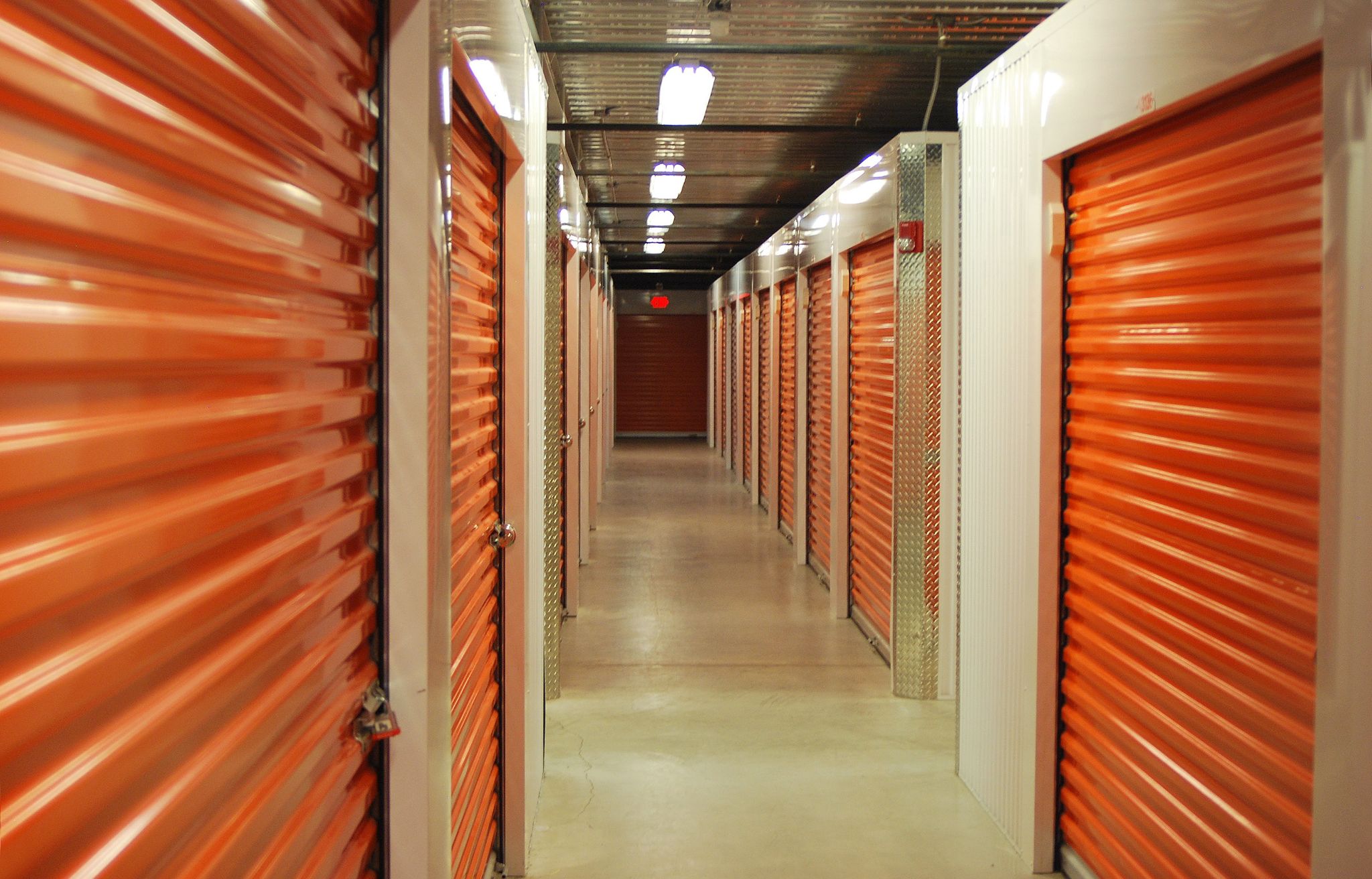
Absolutely. Our indoor storage units provide added protection from Utah’s heat, cold, dust, and seasonal temperature swings. Many customers choose indoor storage for furniture, electronics, business inventory, documents, and other sensitive belongings that benefit from a cleaner, more climate-stable environment.
Find the right storage solution at Bear River Storage
Whether you need flexible month-to-month storage or a long-term solution, Bear River Storage is here to help you store with confidence. We offer clean, reliable, secure self-storage, flexible lease options, and high-quality indoor storage units designed to protect your belongings year-round.
From temporary moves and home renovations to long-term business or household storage, our team will help you choose the right unit and lease for your needs.
Contact Bear River Storage today to explore available storage units for rent and find the perfect fit for your timeline, budget, and belongings.